


SKU #59889
·
28 views
GREMMÉ
Wheat
User rating
0 votes0% positive reviews
No ratings yet — be the first.
Type of Development
Spring wheat
Growing Season
80-90 days, 90-100 days
Seed: mass 1.000 pcs seeds
30-35 grams
Potential Yield
8-9 tons, 9-10 tons
About product

GREMMÉ is a spring durum wheat (Triticum turgidum L. subsp. dicoccum) variety with medium-maturity characteristics and a vegetative period ranging from 66 to 98 days depending on growing conditions. The plant is of medium height, with a semi-upright bush and a cylindrical ear of medium length and density. The mass of 1000 grains varies from 27 to 36 grams, indicating the grain size of the variety.…
Type of Development
Spring wheat
Growing Season
80-90 days, 90-100 days
Seed: mass 1.000 pcs seeds
30-35 grams
Potential Yield
8-9 tons, 9-10 tons
Description
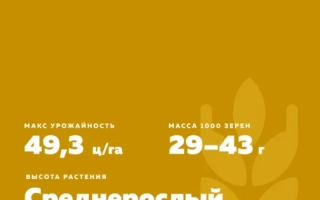
GREMMÉ is a spring durum wheat (Triticum turgidum L. subsp. dicoccum) variety with medium-maturity characteristics and a vegetative period ranging from 66 to 98 days depending on growing conditions. The plant is of medium height, with a semi-upright bush and a cylindrical ear of medium length and density. The mass of 1000 grains varies from 27 to 36 grams, indicating the grain size of the variety. In terms of drought resistance, GREMMÉ surpasses standard varieties and also demonstrates good resistance to diseases such as brown rust, powdery mildew, root rots, and septoria. The average yield of the variety in various regions reaches from 16.1 to 26.7 centners per hectare, with maximum indicators reaching up to 46.7 c/ha under favorable conditions. Durum wheat, to which the GREMMÉ variety belongs, is one of the oldest cereals, known since the era of Babylon and Ancient Egypt. This cereal is characterized by high protein content (from 14.5 to 19%), as well as being rich in fatty acids, fiber, minerals, and antioxidants. Due to these properties, durum wheat is considered a valuable product for healthy eating. In addition, durum wheat may not cause similar reactions in people with gluten intolerance, which expands its application possibilities in diets. The GREMMÉ variety is widely used for the production of whole-grain flour, fine-ground durum wheat flour, bran, crushed grains, and whole-grain cereals. Various dishes are made from durum wheat, including side dishes, risotto, pilaf, salads, soups, stuffed cabbage, and stuffed vegetables. For storage, it is recommended to maintain a temperature from 0° to 25°C and a relative humidity below 70%. The energy value of the product is 357 kcal per 100 grams, making it a nutritious and useful component of the diet.
Crop & resistance
Crop
Disease resistance
Specifications
| Type of Development | |
|---|---|
| Growing Season | 80-90 days, 90-100 days |
| Seed: mass 1.000 pcs seeds | 30-35 grams |
| Potential Yield | 8-9 tons, 9-10 tons |
| Registration year | 2012 |
| Catalog | Catalog → Wheat |
| Legal data |
Show · 7
|
| Country | Russia |
Store offers
Prices are updated on loadLoading offers…
Aggregator catalog: prices are collected automatically from store websites, normalized by AI and converted at the current exchange rate. Before ordering, confirm the price and availability on the store's website. This block is not indexed by search engines — the data is loaded after the page opens.
Not yet комментариев. Be the first!
Alternatives
Wheat seeds · similar varieties



See also
Often considered together with this variety






Recently viewed
Products you’ve viewed on this site
Reviews · 0