


SKU #57137
·
82 views
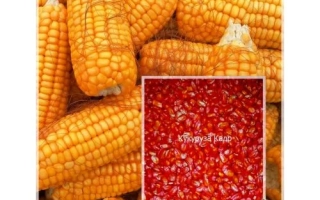
Maize Kalina
Corn
AGRIMAX EUROPE LIMITEDUser rating
0 votes0% positive reviews
No ratings yet — be the first.
Ripening
100-110 days, Mid-early ripening
Hybrid Type
Simple Hybrid, Variety (population)
Kernel Type
Dent, Yellow-Orange
Use Direction
Grain
Prices in stores
from33.5 €per 1 kg
pack from 0.67 € per 20 g
2 offers from 1 store
Store offers · 2 from 1 stores
Prices are updated on loadLoading offers…
Available at: Florashop
Aggregator catalog: prices are collected automatically from store websites, normalized by AI and converted at the current exchange rate. Before ordering, confirm the price and availability on the store's website. This block is not indexed by search engines — the data is loaded after the page opens.
About product

Corn variety Kalina is a simple mid-early hybrid with a vegetative period of about 100 days. The plant is of medium height with leaves of medium width and slightly curved shape. The ear is long, cylindrical, medium thickness with a medium-length stalk. The kernel is dent-shaped, yellow-orange in color, with medium-intensity anthocyanin coloring of the central axis. The tassel is characterized by m…
Ripening
100-110 days, Mid-early ripening
Hybrid Type
Simple Hybrid, Variety (population)
Kernel Type
Dent, Yellow-Orange
Use Direction
Grain
Description
Corn variety Kalina is a simple mid-early hybrid with a vegetative period of about 100 days. The plant is of medium height with leaves of medium width and slightly curved shape. The ear is long, cylindrical, medium thickness with a medium-length stalk. The kernel is dent-shaped, yellow-orange in color, with medium-intensity anthocyanin coloring of the central axis. The tassel is characterized by medium density of florets, weak anthocyanin coloring of the silk, and weak floret sheath coloring. The plant exhibits resistance to smut and stalk rot, while in field conditions, it shows a medium degree of damage by corn borer.
The average yield of grain in the cultivation region is about 59.5 centners per hectare, exceeding the standard level by 10.2%. The maximum yield reached 117.6 centners per hectare. The moisture content of the grain at harvest is at 21.1%, which is 2% lower than the standard. These characteristics make the Kalina variety attractive for cultivation in various regions, especially in the North Caucasus region.
This corn variety is distinguished by good adaptation to climatic conditions and soils, ensuring stable high yields. Due to its agronomic qualities and resistance to diseases, Kalina is suitable for use in agriculture as a source of high-quality grain with good technological properties.
The average yield of grain in the cultivation region is about 59.5 centners per hectare, exceeding the standard level by 10.2%. The maximum yield reached 117.6 centners per hectare. The moisture content of the grain at harvest is at 21.1%, which is 2% lower than the standard. These characteristics make the Kalina variety attractive for cultivation in various regions, especially in the North Caucasus region.
This corn variety is distinguished by good adaptation to climatic conditions and soils, ensuring stable high yields. Due to its agronomic qualities and resistance to diseases, Kalina is suitable for use in agriculture as a source of high-quality grain with good technological properties.
Video · 1 video
Suggest a video →Crop & resistance
Crop
Disease resistance
Pest resistance
Specifications hover over for a hint about the specification
| Ripening | 100-110 days, Mid-early ripening |
|---|---|
| Hybrid Type | |
|
Kernel Type
Kernel Type
Dent corn (Zea mays indentata) — Large, elongated, flat kernels. The endosperm is horny on the sides of the kernel, mealy in the center and at the top. A depression forms at the top of the kernel upon ripening. Dent corn is the most widely cultivated group among others. Plants ty... |
|
|
Use Direction
Use Direction
Dual-purpose hybrids: for silage and grain in all growing regions. These are "stay-green" type hybrids, meaning the plants remain green for a longer period. However, this does not affect the sugar, cellulose, and hemicellulose content, nor the degree of lignification of the plant... |
|
| Registration year | 2013 |
| Catalog | Catalog → Corn |
| Manufacturer | AGRIMAX EUROPE LIMITED |
| Legal data |
Show · 7
|
| Country | Serbia |
Not yet комментариев. Be the first!
Alternatives
Maize seeds · similar varieties





See also
Often considered together with this variety



Recently viewed
Products you’ve viewed on this site
Reviews · 0