


SKU #66252
·
31 views
Sorghum SEMI-RAMIDA
Sorghum
Agroplazma LTD.User rating
0 votes0% positive reviews
No ratings yet — be the first.
Direction
Grain, Hay, Silage
Grain; Color
Light Brown
Grain; Tannin Content
Low
Plant; height
120-130cm
About product

SEMI-RAMIDA is a mid-season grain sorghum variety, distinguished by its high yield and stability under various climatic conditions. The plants are medium-height, ranging from 120 to 150 cm, with a single-stem structure and a large, loose panicle. The grain is beige, naked, and semi-open, characterized by its large size and low tannin content, making it versatile for various purposes.This variety i…
Direction
Grain, Hay, Silage
Grain; Color
Light Brown
Grain; Tannin Content
Low
Plant; height
120-130cm
Description
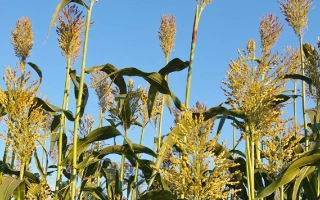
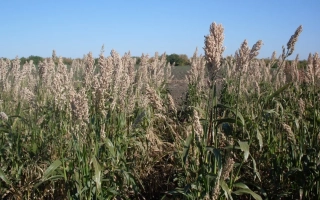
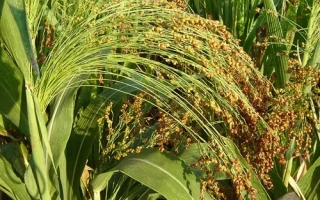
SEMI-RAMIDA is a mid-season grain sorghum variety, distinguished by its high yield and stability under various climatic conditions. The plants are medium-height, ranging from 120 to 150 cm, with a single-stem structure and a large, loose panicle. The grain is beige, naked, and semi-open, characterized by its large size and low tannin content, making it versatile for various purposes.
This variety is recommended for cultivation in the North Caucasus region, where it demonstrates a high productivity potential with a yield of approximately 30.9 centners per hectare. SEMI-RAMIDA is suitable for both food use—production of groats, flour, and starch—and for feeding livestock, including cattle, poultry, pigs, and fish. Additionally, the grain of this variety has a high alcohol output, expanding its application possibilities in industry.
SEMI-RAMIDA is characterized by resistance to lodging and shattering, as well as tolerance to drought conditions and diseases such as fusarium. These qualities ensure crop stability even in complex weather conditions, making the variety attractive to farmers seeking reliable and efficient grain production. Thanks to its unique properties, SEMI-RAMIDA is one of the leaders among white-grain sorghum and a sought-after hybrid in the agricultural sector.
This variety is recommended for cultivation in the North Caucasus region, where it demonstrates a high productivity potential with a yield of approximately 30.9 centners per hectare. SEMI-RAMIDA is suitable for both food use—production of groats, flour, and starch—and for feeding livestock, including cattle, poultry, pigs, and fish. Additionally, the grain of this variety has a high alcohol output, expanding its application possibilities in industry.
SEMI-RAMIDA is characterized by resistance to lodging and shattering, as well as tolerance to drought conditions and diseases such as fusarium. These qualities ensure crop stability even in complex weather conditions, making the variety attractive to farmers seeking reliable and efficient grain production. Thanks to its unique properties, SEMI-RAMIDA is one of the leaders among white-grain sorghum and a sought-after hybrid in the agricultural sector.
Crop & resistance
Crop
Disease resistance
Specifications hover over for a hint about the specification
|
Direction
Direction
Existing varieties and types of cabbage are grown for fresh consumption, long-term storage, and technical processing. |
|
|---|---|
| Grain; Color | |
| Grain; Tannin Content | |
| Plant; height | 120-130cm |
| Registration year | 2015 |
| Catalog | Catalog → Sorghum |
| Manufacturer | Agroplazma LTD. |
| Country | Russia |
Store offers
Prices are updated on loadLoading offers…
Aggregator catalog: prices are collected automatically from store websites, normalized by AI and converted at the current exchange rate. Before ordering, confirm the price and availability on the store's website. This block is not indexed by search engines — the data is loaded after the page opens.
Not yet комментариев. Be the first!
Alternatives
Sorghum seeds · similar varieties


See also
Often considered together with this variety






Recently viewed
Products you’ve viewed on this site
Reviews · 0