
Leea
Leea
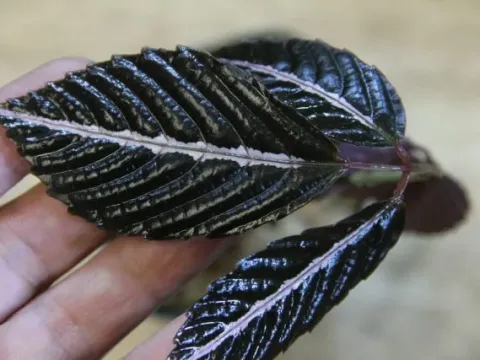
Leea is a genus of perennial shrubs and small trees belonging to the Vitaceae family. These plants are native to the tropical regions of Asia, Africa, and the Pacific islands, where they thrive in the understory of dense, humid forests.
What the section contains


Leea
The plant requires a warm tropical environment with temperatures consistently above 18-20 degrees Celsius. In terms of light, Leea plants prefer bright, indirect sunlight, as direct harsh rays can cause significant damage to their large, compound, and often glossy foliage.
For optimal growth, the soil must be rich, well-draining, and slightly acidic. A mix consisting of peat moss, pine bark, and perlite or coarse sand provides the necessary aeration and moisture retention that the root systems of Leea species naturally demand.
High relative humidity is essential for the health of these plants. In indoor settings, maintaining humidity levels above 60 percent is crucial. Growers often use pebble trays with water or mechanical humidifiers to ensure the leaves do not become brittle at the edges.
Cultivation practices involve maintaining consistent soil moisture, ensuring the potting medium does not dry out completely between waterings. Fertilization with a balanced liquid fertilizer during the active growing season encourages lush foliage development.
Common pests include spider mites and scale insects, which are particularly attracted to Leea plants when the ambient environment becomes too dry. Regular inspection and the use of insecticidal soaps or neem oil are effective methods for managing these populations.
Fungal issues, specifically root rot, are the primary disease threats. These occur when the soil remains waterlogged for extended periods, preventing the roots from accessing oxygen. Proper drainage and soil aeration are the best preventative measures against these pathogens.