
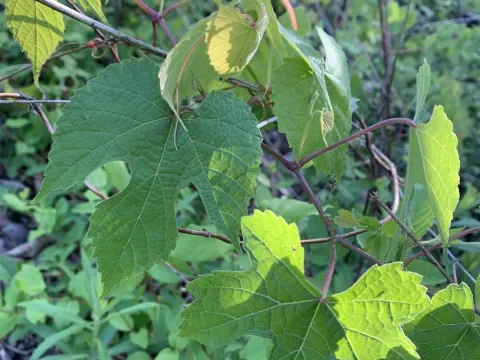
Lincecum grape
Vitis lincecumii
Lincecum grape (Vitis lincecumii) is a perennial woody vine belonging to the Vitaceae family, native to the south-central United States. It thrives in open, sunny environments within its natural range.
What the section contains
Lincecum grape
This species is highly adapted to hot and semi-arid conditions. It typically grows on sandy, well-drained soils, showing significant drought tolerance compared to many European grape varieties.
Cultivation requires well-drained soil to prevent root rot. It is essential to choose a site with adequate sunlight exposure to ensure proper ripening of the grapes and hardening of the vines.
Regarding agricultural practices, strong trellising is mandatory. As a vigorous grower, the vine requires professional pruning and canopy management to maintain plant health and air circulation.
The plant is relatively hardy within its native climate but may require protection in areas with harsh winters. It is highly valued as a foundation for developing climate-resilient rootstocks.
The yield of Lincecum grape is typically modest compared to commercial varieties. The berries are small, dark, and often possess a tart, complex flavor profile due to high tannin content.
Harvesting usually occurs late in the season. The fruit is primarily utilized in niche winemaking or as a source of genetic material for breeding programs aimed at stress-tolerant grapes.
Productivity is influenced by soil nutrition and irrigation. While the species is drought-hardy, supplemental watering during the fruit-set stage significantly increases yield volume.
The berries are not commonly consumed fresh because of their high acidity and tough skin, making them better suited for processing into juices or specialty wines.
Strategic breeding using Vitis lincecumii has led to improved cultivars that maintain high quality even under extreme weather fluctuations characteristic of changing climates.
Vitis lincecumii displays natural resistance to several pests, yet it remains susceptible to downy mildew in humid conditions or if grown in areas with poor ventilation.
Phylloxera remains a concern for most grape species. Integrated pest management strategies, including monitoring the roots, are recommended to protect the long-term health of the vineyard.
Leaf-eating insects can cause damage during the spring growth flush. Regular inspections of the foliage are necessary to detect outbreaks before they spread throughout the canopy.
Fungal diseases like powdery mildew are managed through proper spacing and regular sanitation practices to prevent the accumulation of spores on fallen leaves and debris.
A balanced fungicide schedule, focusing on preventive treatments, is the gold standard for maintaining the health of this species in commercial or experimental agricultural settings.