
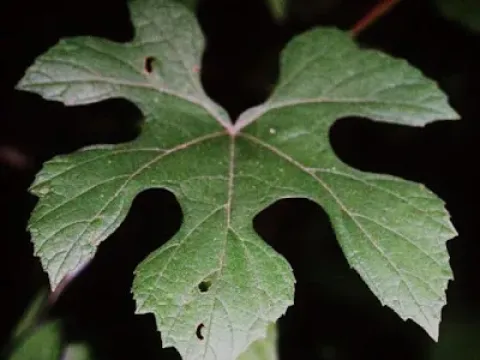
Nesbitt grape
Vitis nesbittiana
The Nesbitt grape (Vitis nesbittiana) is a distinct species of grapevine belonging to the Vitaceae family. It is a woody liana native to the mountainous regions of Mexico, where it grows in specific microclimatic niches.
What the section contains
Nesbitt grape
This species is well-adapted to subtropical environments and requires consistent warmth to thrive. In agricultural settings, it is strictly sensitive to extreme cold, which limits its outdoor cultivation to frost-free or mild-winter climate zones.
Regarding soil requirements, Vitis nesbittiana prefers well-drained, fertile loam with a slightly acidic to neutral pH level. It cannot tolerate waterlogging, which often leads to root rot, necessitating sandy or volcanic soil structures for optimal drainage.
Agricultural management requires the installation of sturdy trellises or pergola systems to accommodate its vigorous vining habit. Annual pruning is essential to prevent overgrowth, ensure proper air circulation, and encourage fruit maturation.
The species is primarily recognized for its scientific value as a genetic reservoir. Its natural resistance to certain pathogens makes it an important subject for hybrid breeding programs aimed at improving commercial viticulture resilience.
Common threats to this species include fungal infections such as downy mildew, especially in humid and stagnant air conditions. Additionally, pests such as spider mites and leafhoppers can be problematic, necessitating Integrated Pest Management (IPM) strategies.