
Mustang grape
Vitis candicans
The Mustang grape, scientifically known as Vitis candicans, is a vigorous woody vine belonging to the Vitaceae family. It is a resilient species native to the southern United States, particularly Texas, known for its rapid growth rate and ability to climb high into trees.
What the section contains
Mustang grape
This species thrives in diverse environments, ranging from open plains to riparian woodlands. Its adaptation to warm, subtropical climates makes it a notable example of a hardy wild vine that can withstand intense sunlight and significant seasonal temperature fluctuations.
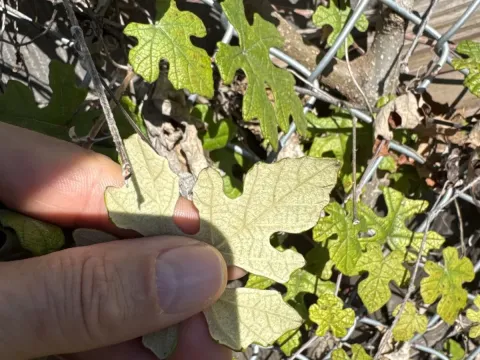
Botanically, Vitis candicans is characterized by its large, heart-shaped leaves that feature a dense, silvery-white tomentum (hairs) on the underside. This pubescence helps the plant retain moisture and protects it from heat stress in arid environments.
When it comes to soil, the Mustang grape prefers well-drained, alkaline, or limestone-based substrates. Its root system is exceptionally deep and strong, which enables the plant to survive prolonged dry spells by accessing underground moisture levels inaccessible to less resilient species.
The cultural use of this plant is primarily focused on its genetic potential for viticulture. Its high level of natural stress resistance and strong constitution make it a subject of interest for breeders looking to develop rootstocks or hybrids with improved survival characteristics.
Despite its toughness, the Mustang grape is susceptible to common viticultural diseases such as downy mildew and powdery mildew. These fungal infections are particularly prevalent during seasons with high humidity, which can promote rapid spread through the thick foliage of the vine.
Insects such as the grape phylloxera and leafhoppers represent significant biological threats to the plant's health. These pests feed on the leaves or roots, potentially weakening the entire vine if the infestation is not detected and managed early in the season.
Integrated pest management strategies, including the use of targeted fungicides and regular monitoring for symptoms of leaf stress, are essential for maintaining the health of the vine. Careful observation of the leaf undersides is recommended for early intervention.
Cultural practices like pruning are vital for disease control. By removing dead wood and thinning out excessively dense canopy layers, growers can ensure better air circulation, which significantly lowers the humidity around the leaves and reduces fungal growth.
While the Mustang grape is generally considered a low-maintenance wild plant, ensuring good hygiene in the surrounding area is key to preventing the buildup of overwintering pathogens. Keeping the ground clear of diseased debris helps maintain a healthier growing environment.