
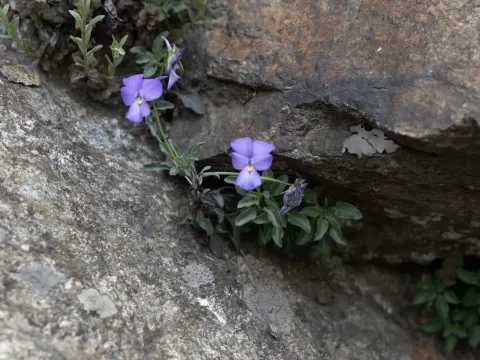
Valderia Violet
Viola valderia
Valderia Violet (Viola valderia) is a perennial herbaceous plant belonging to the Violaceae family. Native to the high-altitude regions of the Western Alps, this species is highly specialized for life in harsh, rocky mountain environments.
What the section contains
Valderia Violet
The culture thrives in well-lit areas, preferring full sun but requiring protection from intense mid-day heat when grown at lower elevations. It is best suited for rock gardens, alpine troughs, or crevice planting, where its specific drainage requirements can be met.
Soil composition is critical for the success of this plant. It requires gritty, well-draining soil with a neutral to alkaline pH, ideally mimicking its natural limestone habitat. Poorly drained, heavy soils will inevitably lead to root rot and loss of the plant.
The climate requirements include cool air temperatures and consistent moisture during the growing season. While extremely frost-hardy, the plant is vulnerable to excessive winter dampness, which can cause crown rot if the soil remains waterlogged for prolonged periods.
Botanically, it forms a neat, compact rosette of foliage that produces numerous small, violet-blue flowers. Its growth habit is slow, making it a perfect candidate for specialized alpine collections where it can slowly colonize suitable rocky crevices over time.
The primary threats to Viola valderia in a garden setting involve fungal pathogens, particularly those triggered by high humidity and poor air circulation. Root rot and damping-off are the most significant risks, often exacerbated by overly dense soil mixtures.
Foliar diseases, such as leaf spot, can be managed by maintaining optimal hygiene around the plants. Removing dead foliage in the autumn and ensuring that surrounding debris does not trap excess moisture are essential preventative practices for any alpine grower.
Slugs and snails are the most prominent pests, especially during the humid spring months when new growth is tender. Physical barriers, such as copper tape or grit, can effectively deter these mollusks from damaging the delicate foliage of the violet.
Aphids and spider mites may occasionally infest the plants if they become stressed by drought or extreme heat. Integrated pest management, focusing on early detection and the use of targeted treatments, is recommended to preserve the aesthetic value of the planting.
- Use high-quality gritty drainage in planting holes.
- Avoid overwatering during the dormant winter months.
- Apply a surface layer of limestone chippings as mulch.
- Monitor for slugs in the early spring season.
- Ensure adequate spacing to promote airflow between plants.