
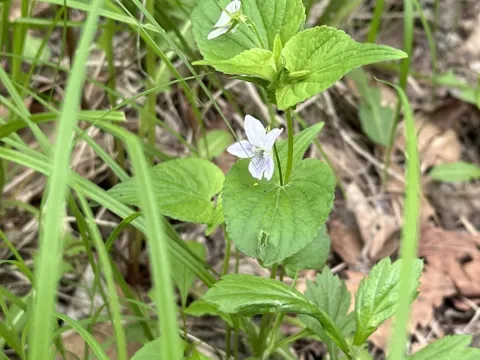
Viola acuminata
Viola acuminata
Viola acuminata, commonly known as the Turczaninow violet, is a perennial herbaceous plant belonging to the Violaceae family. It is distinct due to its upright stems and acuminate leaves, which give the plant its characteristic botanical profile.
What the section contains
Viola acuminata
The native range of this species extends across East Asia, including parts of the Russian Far East, Japan, Korea, and China. It typically thrives in deciduous or mixed woodland habitats where it benefits from dappled shade and organic-rich soil layers.
Regarding soil requirements, the plant prefers well-drained, nutrient-dense substrates with a slightly acidic to neutral pH. A loose, humus-rich soil structure is essential for root health and overall plant vigor.
The climate requirements for Viola acuminata are centered on temperate zones. The species is highly cold-hardy, allowing it to survive harsh winters, provided that the soil conditions remain stable and are not subject to prolonged waterlogging.
While not a primary industrial crop, it is of interest to botanical research and specialized horticulture. Its cultivation requires careful attention to replicating the microclimatic conditions of its native forest environment.
The main threats to Viola acuminata include various fungal infections, with leaf spot and powdery mildew being the most common issues reported under inadequate air circulation.
Gastropods such as slugs and snails are major pests that target the foliage, often causing significant aesthetic and structural damage during the active growing season.
Aphids can frequently infest the flower buds and young shoots, sucking plant sap and potentially transmitting viral pathogens that weaken the plant over time.
Root rot is a persistent threat if the plant is grown in heavy, poorly drained soils, making accurate moisture management a critical component of its cultivation.
Integrated pest management strategies should focus on maintaining hygiene, preventing overcrowding, and ensuring adequate soil drainage to mitigate the risk of disease outbreaks.