
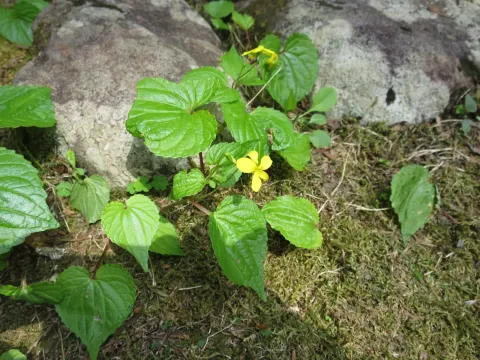
Viola brevistipulata
Viola brevistipulata
Sowing seeds of Viola brevistipulata should ideally be conducted in late autumn, allowing the seeds to undergo natural cold stratification, which is crucial for uniform germination.
What the section contains
Viola brevistipulata
When selecting a sowing medium, it is recommended to use a mix of peat, perlite, and coarse sand to ensure optimal drainage and aeration for the developing root systems.
For greenhouse production, cold stratification in a refrigerator for at least six weeks at a temperature range of 1 to 4 degrees Celsius is required for the seeds to break dormancy.
Seeds should be covered with a very thin layer of soil and kept in a moist environment; high humidity levels are essential during the initial stages of the plant life cycle.
Transplanting seedlings to their final growth location should occur after the danger of severe frost has passed and the plants have established at least three sets of true leaves.
Viola brevistipulata is a perennial herb belonging to the Violaceae family, naturally adapted to mountain environments where moisture is consistent and temperatures remain cool.
Cultivation success depends on providing semi-shaded conditions, as excessive sunlight often leads to leaf scorching and a significant reduction in the flowering period.
The soil should be well-drained, fertile, and slightly acidic; heavy clay soils must be amended with organic matter to prevent water accumulation that causes root rot.
Regular monitoring of soil moisture is required, especially during the spring bloom, to ensure the plant does not experience water stress during its peak growth phase.
Spacing between plants should be sufficient to allow for adequate airflow, typically around 20 centimeters, which helps maintain plant vigor and reduces foliage disease.
Root rot is the most frequent pathological issue encountered in this species, usually triggered by poor drainage or overwatering during the warmer summer months.
Powdery mildew can affect the leaves during periods of high humidity and poor air circulation, necessitating the use of systemic fungicides or organic preventative sprays.
Slugs and snails are the primary invertebrate pests that can cause significant damage to the plant, especially in garden settings where mulch provides shelter for these pests.
Aphids may infest the plant during the flowering stage, clustering on the flower stalks and causing stunted growth if not addressed with appropriate insecticidal soap applications.
Implementing an integrated pest management strategy, including manual removal and cultural practices, is the most effective way to maintain the health of the violet collection.