
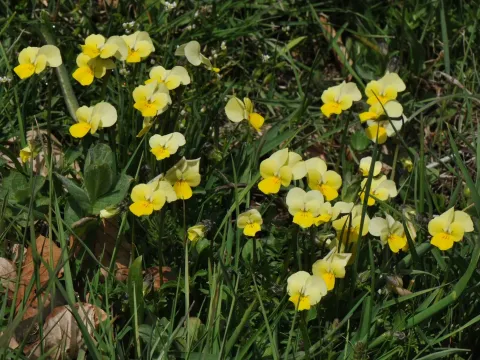
Viola aetolica
Viola aetolica
Viola aetolica is typically sown in early spring or late autumn to allow for proper germination. The seeds require consistent moisture and temperatures around 15–18 degrees Celsius to break dormancy effectively.
What the section contains
Viola aetolica
When starting indoors, use a well-draining seed-starting mix. Lightly press the seeds into the surface, as they require a small amount of light to trigger germination, and avoid covering them with a thick layer of soil.
Transplanting seedlings to the garden should occur once the risk of frost has passed. Ensure that the young plants are hardened off gradually to help them adjust to outdoor conditions and prevent transplant shock.
Spacing is essential for the healthy growth of this species. Planting them 15 to 20 cm apart ensures that each plant has enough nutrients and room to expand without competing for resources or suffocating neighbors.
Vegetative propagation via division can be performed in late summer. Carefully separating the root clumps allows for healthy new plants that establish quickly, ensuring continuity of bloom in the following season.
As a member of the Violaceae family, Viola aetolica thrives in sunny, open locations. It is native to the Balkan region and is well-adapted to rocky habitats, making it an excellent choice for rock gardens and borders.
The ideal soil for this plant is loose, sandy, or loamy with excellent drainage. It performs best in neutral to slightly acidic pH levels, which mimic its natural environment and prevent root issues.
While the plant is quite resilient, regular watering is necessary during hot, dry spells. However, it is vital to avoid overwatering, as standing water can quickly lead to root decay and overall plant decline.
Temperature control is manageable in most moderate climates, but extreme heat can cause the plant to go dormant or reduce its flowering period. Providing partial shade during the hottest hours of the day can prolong its vitality.
Fertilization should be handled with care. A light application of a balanced, water-soluble fertilizer in early spring is usually sufficient to support the initial surge of growth without encouraging leggy, weak stems.
Powdery mildew is a common fungal threat, characterized by white spots on the leaves. Maintaining adequate airflow and avoiding dense planting can significantly reduce the incidence of this fungal infection.
Root rot remains the most common issue associated with poor drainage. Once roots are compromised, the plant often fails to recover, making prevention through soil modification and careful watering the best strategy.
Aphids and spider mites are frequent pests that damage the plant by feeding on sap. Early detection and the use of insecticidal soap or neem oil are usually effective in controlling these infestations.
Slugs and snails can cause significant damage to the foliage during moist weather conditions. Barriers like copper tape or crushed eggshells can help protect the plants from these hungry garden pests.
Regular maintenance, including the removal of dead leaves and spent flowers, improves the overall hygiene of the garden bed. This practice helps to reduce the survival rate of pests and spores over the winter months.