
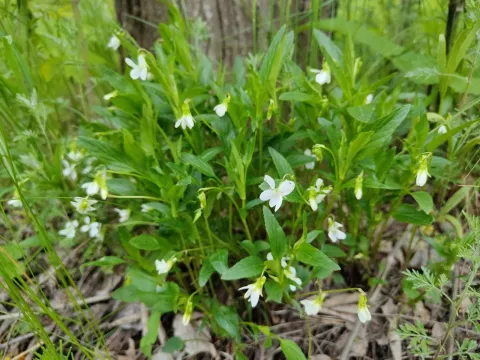
Viola accrescens
Viola accrescens
Sowing Viola accrescens seeds is best performed in late autumn to ensure the seeds undergo natural cold stratification, which significantly improves germination rates in early spring. In a controlled greenhouse environment, seeds should be sown in early winter using a sterile seed-starting mix.
What the section contains
Viola accrescens
The seeds are light-dependent, meaning they should be sown on the surface and barely covered with a fine layer of vermiculite. Maintaining high humidity and a consistent temperature of around 15–18 degrees Celsius is essential for successful sprout emergence.
Transplanting seedlings to their permanent location is typically carried out once the danger of hard frost has passed. Spacing is crucial; plants should be set roughly 25 centimeters apart to allow their rhizomes sufficient space to spread and establish.
Young plants require consistent moisture during the first month following transplanting. Drip irrigation is highly recommended to prevent foliage damage and ensure that the root zone remains adequately hydrated without becoming waterlogged.
For large-scale cultivation, pre-planting soil preparation is vital. Incorporating well-rotted compost into the upper layer of soil provides the necessary nutrient foundation for vigorous leaf production and healthy seasonal growth.
Viola accrescens is a perennial herbaceous plant belonging to the Violaceae family. It is known for its resilient nature and its ability to spread via rhizomes, making it a valuable species for both ornamental use and ground cover in temperate ecosystems.
The species thrives in soils with a slightly acidic to neutral pH, rich in organic matter. Good soil drainage is a non-negotiable requirement, as the species is highly susceptible to root decay if subjected to prolonged water stagnation.
Regarding climate, the plant prefers cooler environments with partial shade. While it can tolerate some sun in cooler latitudes, it generally benefits from protection against the intense midday heat, which can cause leaf scorch and premature dormancy.
Maintenance involves routine weeding and the periodic application of balanced fertilizers during the early growing season. The plant's ability to cover the ground effectively reduces the frequency of weed management over time.
In terms of overwintering, the plant is relatively cold-hardy. However, in regions where temperatures drop significantly without snow cover, a protective layer of mulch is advised to prevent desiccation of the shallow root systems.
Fungal diseases are the primary threat to Viola accrescens, particularly powdery mildew and grey mold (Botrytis). These issues are usually linked to overcrowding and high humidity, which can be mitigated through proper spacing and increased airflow.
Common insect pests include aphids and spider mites, which feed on the sap of young tissues, leading to chlorosis and plant stress. Early detection through regular monitoring allows for the use of soft soaps or biological controls.
Root rot is often caused by poor drainage or overwatering. Maintaining a strict irrigation schedule and ensuring the planting site is slightly elevated or well-draining significantly reduces the risk of this fatal disease.
Slugs and snails can cause considerable aesthetic damage by feeding on leaves. Using physical barriers, such as copper tape or crushed eggshells around the perimeter of the planting beds, is a common non-chemical deterrent.
A proactive approach to plant health, focusing on optimal growing conditions, is the most effective defense. Regularly removing dead or diseased plant material helps prevent the buildup of pathogens in the soil and promotes a healthy crop.