
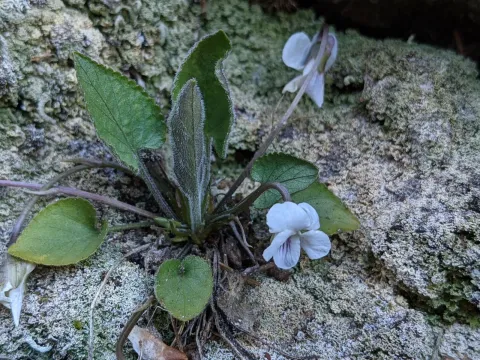
Viola thomasiana
Viola thomasiana
Sowing seeds of Viola thomasiana is most effective when done in late autumn, allowing the natural cold cycle of winter to break seed dormancy and ensure successful germination.
What the section contains
Viola thomasiana
For those opting for spring sowing, a stratification period of 4 to 6 weeks at low temperatures is crucial to mimic natural conditions and maximize the germination rate.
The substrate must be light, well-draining, and slightly acidic, ensuring that the seeds are not buried too deeply—surface sowing or a thin cover of sand is recommended.
Consistent moisture levels must be maintained during the initial weeks; however, it is vital to keep the growing medium from becoming overly saturated to prevent damping-off.
Once the seedlings develop their first true leaves, they should be gradually acclimated to stronger light conditions to prevent leggy growth and promote robust stem development.
Viola thomasiana belongs to the Violaceae family and is recognized for its preference for cool, mountainous environments, making it an ideal choice for rock gardens and borders.
The plant thrives in soil that is rich in organic matter and maintains consistent moisture without becoming waterlogged, as poor drainage is the primary cause of failure.
Exposure to partial shade is generally optimal, as it protects the delicate foliage from excessive heat and direct intense sunlight during the summer months.
Regarding climate, this species is highly cold-hardy, capable of surviving harsh winter temperatures if provided with adequate insulation from organic mulch or snow cover.
Regular fertilization with balanced nutrients during the growing season will significantly improve the duration and abundance of floral display in established colonies.
Powdery mildew is a significant concern for this species, particularly in locations with high humidity and stagnant air, which promote rapid fungal colonization.
Root rot is another serious threat caused by overwatering or compacted soils that lack the necessary aeration for healthy root respiration.
Pests such as aphids and spider mites frequently target the tender shoots and undersides of leaves, weakening the plant and increasing susceptibility to secondary infections.
Slugs and snails present a constant threat to young foliage and flowering buds, especially during rainy seasons, requiring vigilant monitoring or physical barriers.
- Maintain good spacing between plants to enhance airflow.
- Incorporate grit or perlite into the soil for better drainage.
- Monitor plants frequently for early signs of insect infestations.