
Webster's violet
Viola websteri
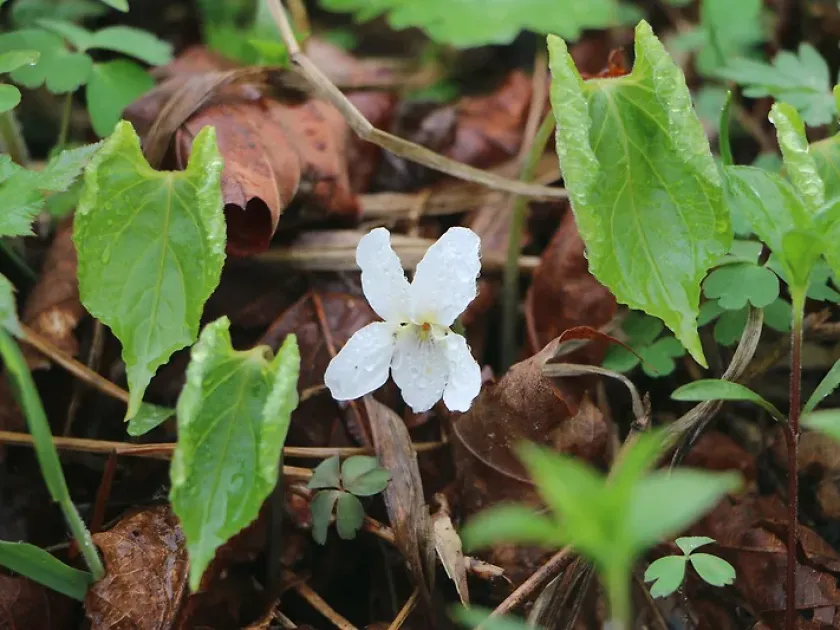
Description
Growing requirements
Webster's violet (Viola websteri) is a distinctive perennial plant species belonging to the Violaceae family. As an ornamental and botanical subject, it requires specific environmental conditions to thrive and express its biological potential in a garden or nursery setting.
The plant is native to temperate zones and typically requires well-drained, humus-rich soil with a slightly acidic to neutral pH. Providing a substrate with excellent aeration is essential to prevent the accumulation of excess moisture, which the root system is particularly sensitive to.
Regarding climate, this species prefers locations with moderate temperatures and diffused lighting. Direct, intense sunlight can lead to leaf scorch, so planting in partial shade or sheltered areas is highly recommended to maintain the plant's health throughout the growing season.
Consistent moisture management is a cornerstone of the agronomic practice for this crop. Irrigation should be applied regularly to keep the root zone slightly moist, but never waterlogged. Incorporating a layer of coarse sand or perlite into the planting hole can significantly improve drainage conditions.
Maintenance tasks include the selective application of balanced fertilizers during the active growth phase. Keeping the area around the plants clear of invasive weeds is also necessary to minimize competition for space and nutrients, ensuring the violet can establish itself properly.
Main diseases and pests
Fungal diseases, particularly root rots triggered by poor drainage or overwatering, constitute the primary biological threat to the crop. Preventive measures include strictly controlled irrigation schedules and the use of sterile growing media during the initial stages of planting.
Pests such as spider mites and aphids are common in low-humidity environments. Regular monitoring of the underside of leaves is necessary to catch infestations early, allowing for targeted and effective treatment with environmentally safe soaps or oils.
Powdery mildew represents another major concern, especially in conditions characterized by high humidity and stagnant air. Enhancing air circulation through proper plant spacing is a critical agronomic intervention to mitigate the risk of infection.
Slugs and snails frequently target the succulent foliage, particularly during the early spring or during rainy periods. Barrier methods, such as copper tape or crushed eggshells, are effective ways to protect the plants without resorting to harsh chemicals.
Implementing an integrated pest management (IPM) strategy, which combines cultural practices with biological controls, is the best way to maintain a healthy population of this violet species throughout the year.