
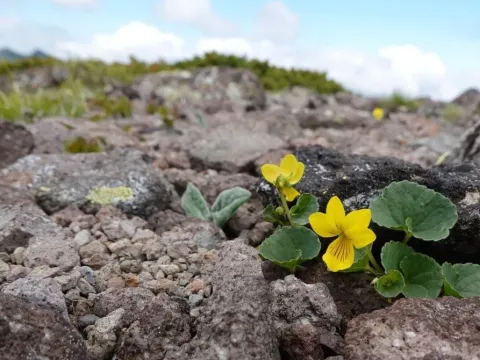
Viola yazawana
Viola yazawana
Viola yazawana is a distinct perennial herbaceous plant belonging to the Violaceae family, primarily recognized as a rare botanical species native to the mountainous regions of Japan.
What the section contains
Viola yazawana
The plant exhibits a compact growth habit, characterized by small, rounded leaves and delicate flowers that show evolutionary adaptations to high-altitude environments.
Successful cultivation of this species requires specific environmental parameters, including cool temperatures and stable, high ambient humidity throughout the active growing season.
The soil should be well-draining, slightly acidic, and rich in organic matter to mimic the natural alpine substrates where these plants typically thrive in the wild.
Its primary use is within specialized botanical collections and rock gardens, where enthusiasts attempt to recreate the precise microclimate necessary for the plant's survival.
The main threats to Viola yazawana include various fungal pathogens such as root rot and leaf spot, which are frequently triggered by poor drainage or excessive soil moisture.
In humid greenhouse conditions, the plant is susceptible to powdery mildew, requiring strict hygiene and proper air circulation to prevent rapid spread of the infection.
Pests such as aphids and spider mites are common concerns that can rapidly stress the plant, leading to significant foliage damage and potential plant mortality.
Gastropods, including slugs and snails, are notable pests that feed on the soft, succulent tissues of the plant, often causing irreversible structural damage.
Maintaining a healthy population of this rare species involves regular monitoring, immediate isolation of diseased specimens, and the use of targeted biological or chemical control agents when necessary.