
Walter's violet
Viola walteri
Description
Growing requirements
Walter's violet (Viola walteri) belongs to the Violaceae family and is native to the southeastern United States. It is a perennial herbaceous plant known for its low-growing, spreading habit that makes it an excellent ground cover in suitable climates.
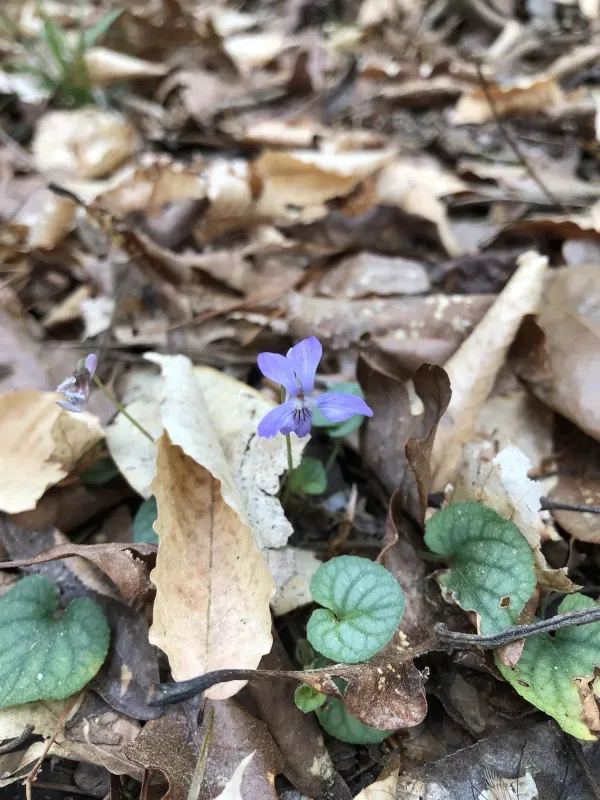
Botanically, the plant features stoloniferous stems that root at the nodes, creating a lush mat. The leaves are typically heart-shaped, sometimes showing a purple tinge, and the small flowers add aesthetic value during the spring blooming season.
Regarding climatic requirements, this species thrives in moist, temperate conditions. It prefers sites with partial to full shade, avoiding direct exposure to hot afternoon sun which can quickly stress the plant's delicate root system.
The soil should be consistently moist, rich in organic matter, and slightly acidic to neutral. High-quality soil preparation with plenty of leaf mold or compost is essential for maintaining the moisture levels required by this species.
Agricultural management primarily involves ensuring adequate hydration throughout the growing season. Mulching around the plants helps to retain soil moisture and regulate temperature, providing a stable environment for the violet to expand.
Main diseases and pests
The primary threats to Walter's violet include fungal diseases such as powdery mildew and root rot. These conditions are typically exacerbated by poor air circulation and excessive moisture remaining on the foliage for extended periods.
Pests such as slugs and snails represent a constant challenge, particularly during the wet early spring months. These mollusks can rapidly defoliate the plant, requiring vigilant monitoring and physical barriers for control.
Aphids occasionally infest the growing tips of the violet, extracting sap and reducing the plant's vigor. If infestations become heavy, targeted insecticidal treatments are often required to mitigate damage.
Leaf spot pathogens can occur under stress. Proper site selection, which avoids overcrowding and ensures good drainage, is the best cultural control method to prevent such infections from taking hold.
Overall, maintaining plant hygiene by removing dead leaves and ensuring adequate spacing helps to minimize the risk of pest outbreaks and disease development in a cultivated patch of Viola walteri.