
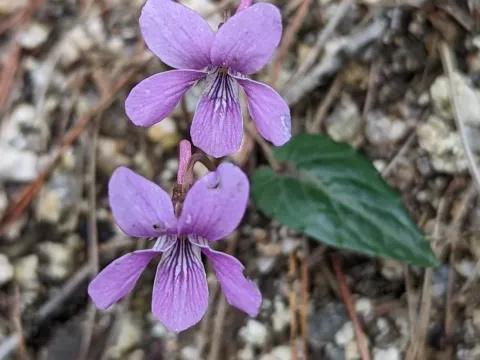
Viola violacea
Viola violacea
Sowing seeds of Viola violacea in temperate climates is usually performed in late winter or early spring when using the seedling method. To obtain high-quality planting material, it is necessary to use a well-drained substrate with a neutral pH level.
What the section contains
Viola violacea
Seeds of this crop are characterized by high viability, but they require stratification to improve germination energy. The prepared seedlings should be transplanted into open ground only after stable warm weather has set in and the risk of night frosts has passed.
When sowing directly into the soil, it is important to follow a planting pattern that ensures sufficient nutrition area for each specimen. The optimal interval between plants is between 15 and 25 centimeters, which promotes free air circulation.
The seeding depth should not exceed 0.5 centimeters, as many species in this genus require a certain amount of light for germination. After sowing, the soil surface should be gently moistened and covered with film to maintain stable humidity.
In regions with mild climates, late-autumn sowing is possible, which allows for earlier flowering in the next season. It is crucial to ensure that the seeds do not germinate before the onset of persistent cold, otherwise, the young seedlings will perish.
Viola violacea belongs to the Violaceae family and prefers moderately fertile, well-structured soils with excellent drainage properties. Stagnant moisture in the root zone is fatal for this species, causing the root system to rot.
The crop demonstrates the best growth results in areas with diffused sunlight or partial shade. Direct midday rays in hot regions can cause leaf burns and shorten the period of active plant flowering.
For the successful development of the plant, the soil reaction, which should be in the range from slightly acidic to neutral, is critical. Regular application of organic fertilizers during the growing season significantly improves the ornamental qualities of the crop.
The temperature regime plays a key role: the violet prefers cool weather, during which metabolic processes proceed most effectively. With a sharp rise in air temperature, the plant may enter a dormant state or stop forming new buds.
Agronomy also includes regular watering, especially during dry periods, but waterlogging the soil is unacceptable. The use of a mulch layer allows for maintaining optimal soil temperature and preventing the root system from drying out.
The main biological threats to Viola violacea are fungal diseases such as powdery mildew and gray mold. These pathogens actively develop in conditions of high air humidity and poor ventilation of the plantings.
Root rots, caused by pathogenic microorganisms from the soil, are often the result of excessive watering or the use of low-quality planting material. Seed treatment and soil disinfection are recommended for prevention.
Among pests, aphids and spider mites cause the most damage, feeding on the cell sap of young leaves and flower stalks. Damaged plants lose turgor, become deformed, and become vulnerable to secondary infections.
Slugs and snails pose a serious threat in rainy seasons, consuming tender leaf blades and flower petals. To control pest populations, both mechanical barriers and specialized molluscicides are used.
An integrated protection system involves regular inspection of plantings, timely removal of affected plant parts, and the use of biological insecticides when pest populations reach an economic threshold.
The economic use of Viola violacea is often associated with the collection of seed material for subsequent propagation. Seed pods ripen unevenly, so the harvest is carried out in several stages as they dry out.
It is important to harvest the seeds before they spontaneously crack and shed, which requires daily monitoring of the plantation status. Cut pods are dried in a ventilated room with diffused light.
When used as an ornamental crop, harvesting consists of sanitary pruning of spent flower stalks. This stimulates the plant to form new buds and extends the overall flowering period by several weeks.
In case of cultivation for pharmaceutical or perfumery needs, the aerial parts are harvested in the phase of mass flowering. The plant raw material is cut with a sharp tool, taking care not to damage the root system, after which it is sent for drying.
After the end of the growing season, depending on the climatic zone, either complete removal of plant residues or covering them for winter is carried out. Properly organized harvesting ensures population conservation and yield stability in the future.