
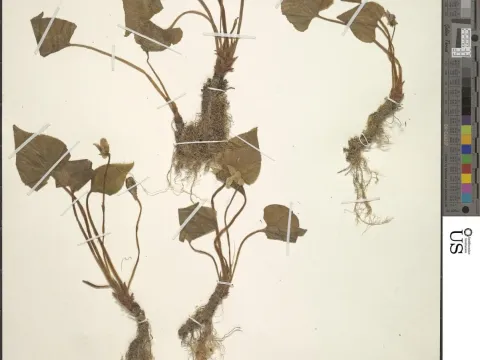
Viola vaginata
Viola vaginata
Viola vaginata, commonly known as the sheathed violet, is a perennial herbaceous plant belonging to the Violaceae family. It is native to the temperate forest regions of East Asia, primarily found in Japan, Korea, and parts of China.
What the section contains
Viola vaginata
The plant thrives in shaded or semi-shaded environments that mimic its natural woodland habitat. It requires well-draining, nutrient-rich soil that is high in organic matter, with a neutral to slightly acidic pH balance to support vigorous growth.
Botanically, Viola vaginata is characterized by its distinctive sheathing stipules that clasp the base of the flowering stem, providing the specific epithet for the plant. Its leaves are heart-shaped or kidney-shaped, typically arranged in basal rosettes that provide excellent ground cover.
Cultivation requires consistent moisture throughout the growing season, but waterlogged conditions must be strictly avoided as they can lead to root rot. The species is sensitive to extreme heat and direct afternoon sun, necessitating placement in cool, sheltered garden zones.
In ornamental horticulture, this species is prized for its ability to brighten dark, woodland corners of a garden. Its subtle beauty and low-growing habit make it a valuable addition to rock gardens, shade borders, and naturalized landscapes.
Fungal diseases, such as powdery mildew, represent the primary health threat to Viola vaginata, especially in areas with stagnant air and high humidity. Leaf spots can also occur if foliage remains damp for prolonged periods.
Slugs and snails are the most problematic pests, frequently targeting young, succulent leaves and tender stems. Their presence can significantly reduce the ornamental value of the plant if left unmanaged during the spring growth phase.
Integrated pest management strategies, such as physical barriers or slug pellets, are effective in protecting the plantings. Regular monitoring ensures that infestations are identified and treated before they cause extensive foliage damage.
Maintaining proper spacing and thinning out overgrown foliage helps improve airflow, which is a critical factor in preventing fungal outbreaks. Keeping the planting site free of excessive debris minimizes habitats for pests and disease pathogens.
Applying organic mulch around the base of the plant helps retain soil moisture and discourages weed growth. By providing the optimal growing conditions, the plant's natural vigor is enhanced, making it more resilient against potential biological threats.