
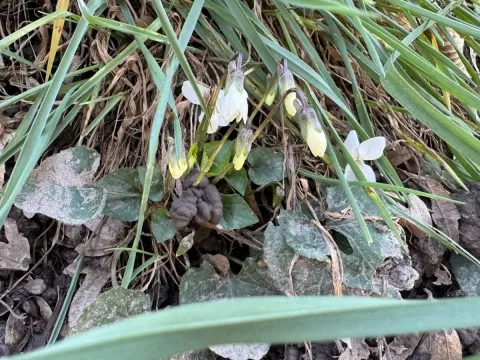
White violet
Viola alba
The sowing of Viola alba seeds is best performed in the autumn season to allow for natural stratification, which is critical for breaking seed dormancy. Spring sowing is also possible if the seeds are pre-chilled for several weeks before planting in April.
What the section contains
White violet
A loose, well-draining soil mix is essential for starting seeds. The seeds should be covered with a very thin layer of substrate, as they require a minimal amount of light and stable moisture to successfully germinate.
Maintaining a consistent environment with temperatures between 15°C and 18°C significantly improves the germination rate. Keeping the seedbed protected from extreme fluctuations is key to obtaining uniform seedlings.
Once the seedlings develop at least two true leaves, they should be thinned out or transplanted into individual containers. This process helps strengthen the root system before the plants are moved to their permanent location.
Proper spacing during transplantation is vital for healthy growth. Aiming for a density that allows for good air circulation between plants helps prevent the development of moisture-related pathogens in the early stages.
White violet belongs to the Violaceae family and is a perennial plant featuring distinctive heart-shaped leaves and delicate white flowers. It is native to various Mediterranean and European regions, showing strong adaptation to temperate climates.
This species thrives in partial shade conditions. Exposure to intense, direct sunlight can dehydrate the plant and cause significant stress, negatively impacting the duration of its blooming period.
The soil requirements include high organic content, good drainage, and a slightly acidic to neutral pH level. The plant is sensitive to waterlogged conditions, which can lead to rapid root degradation.
Water management is a fundamental aspect of white violet maintenance. While it prefers moist soil, it is essential to allow the surface to dry slightly between watering sessions to prevent root rot issues.
Fertilization should be handled carefully, focusing on organic amendments during the spring growth phase. Over-fertilization, especially with high-nitrogen products, should be avoided to maintain the plant's natural vigor.
The most common disease threats to Viola alba are powdery mildew and various leaf spot fungi. These typically occur when air circulation is poor and humidity levels remain excessively high around the foliage.
Insect pests, such as aphids and spider mites, can damage the leaves and flower buds. Early detection is important, and management can involve insecticidal soaps or biological control agents to protect the plants.
Gastropods, including slugs and snails, are often attracted to the lush foliage of the white violet. Protective barriers or organic molluscicides are effective methods for mitigating the damage they cause.
Root rot is a critical threat often associated with poor drainage or overwatering. If the plant shows signs of wilting despite moist soil, it is likely that the root system has been compromised by fungal decay.
- Remove diseased foliage promptly.
- Ensure adequate spacing between plants.
- Keep the area free of weeds to reduce host sites for pests.