
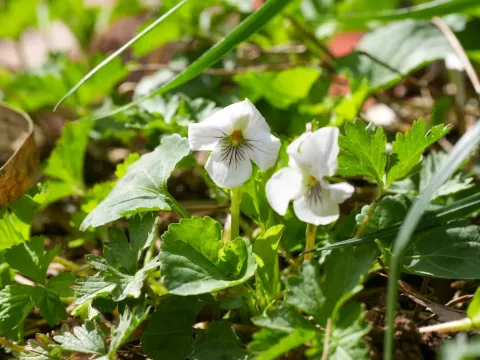
Viola keiskei
Viola keiskei
Sowing Viola keiskei is best performed in late autumn to ensure that the seeds undergo natural stratification, which is essential for uniform germination.
What the section contains
Viola keiskei
If sowing in the spring, seeds must be artificially stratified in a refrigerator at temperatures between 0 and 3 degrees Celsius for at least eight weeks.
The seeds should be sown on the surface of well-drained, moist potting soil and only lightly covered with a thin layer of fine substrate to receive light.
Optimal germination occurs when temperatures fluctuate slightly, mimicking the natural diurnal cycles of a forest environment during early spring.
Maintaining high humidity levels is crucial during the germination phase, and the use of a humidity dome or covering the container is highly recommended.
Viola keiskei is a member of the Violaceae family, originating from the temperate woodland regions of East Asia, which dictates its preference for shade.
The species requires a cool, moist, and well-drained soil environment rich in humus, mirroring the conditions of a forest floor where leaf litter accumulates.
Exposure to direct, harsh sunlight should be strictly avoided as it causes leaf desiccation and can lead to the rapid decline of the entire plant.
The ideal pH level for the soil is slightly acidic to neutral, ensuring the availability of essential nutrients required for vigorous vegetative growth.
The plant demonstrates excellent winter hardiness, provided that it is situated in a location protected from sweeping winds and winter sun exposure.
Common fungal diseases such as gray mold (Botrytis) and powdery mildew can occur if the plant is grown in areas with poor airflow and high humidity.
Root rot is a major physiological threat often resulting from stagnant water, emphasizing the absolute necessity of a well-draining soil medium.
Aphids and spider mites are typical pests that infest the leaves, requiring constant vigilance and the application of mild soap or botanical oils.
Gastropods, including snails and slugs, are attracted to the succulent leaves, particularly during damp weather conditions, and can cause significant foliage loss.
Preventative cultural practices, such as maintaining adequate spacing and removing debris, are the most effective ways to minimize disease pressure.