
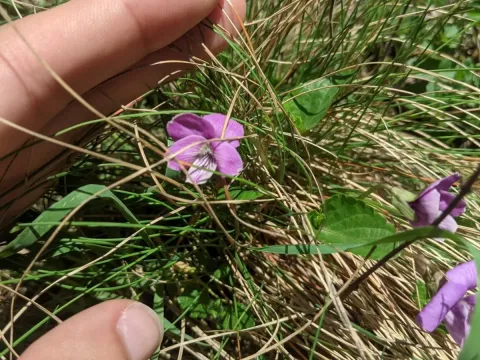
Viola jooi
Viola jooi
Viola jooi is a perennial herbaceous plant belonging to the Violaceae family. It is a rare endemic species primarily found in the mountainous regions of Eastern Europe.
What the section contains
Viola jooi
The plant demonstrates a strong preference for calcareous substrates and stony slopes. It thrives in environments that provide excellent drainage, as the root system is highly sensitive to waterlogging.
Climatic requirements involve cool, temperate conditions with relatively high air humidity. The species is perfectly adapted to alpine environments and suffers in lowland heat.
Soil composition should ideally be neutral or slightly alkaline. A high concentration of calcium in the substrate is essential for the healthy growth and flowering of this violet.
In terms of horticultural use, Viola jooi is exclusively utilized in rock gardens and alpine houses, where its specific environmental needs can be replicated with precision.
The primary threats to Viola jooi populations in the wild include habitat loss and the disruption of local mountain ecosystems due to climate change.
Pathological risks in cultivation include powdery mildew, which often spreads in poorly ventilated areas or locations with high humidity levels.
Garden pests such as aphids and spider mites may infest the foliage during dry spells, potentially weakening the plant's structural integrity.
Root rots remain the most critical threat to survival in garden settings, typically caused by improper watering techniques and heavy, non-porous soil.
Strategic management of threats involves regular inspection, ensuring good airflow around the plants, and using inorganic mulch to prevent direct contact between leaves and soil.