
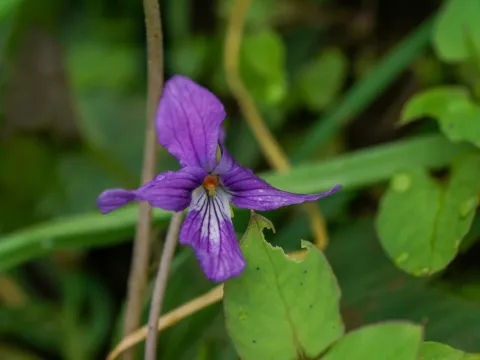
Viola japonica
Viola japonica
Viola japonica seeds are typically sown in early spring or autumn. To ensure high germination rates, the seeds require a period of cold stratification for several weeks before sowing.
What the section contains
Viola japonica
The ideal sowing medium is a well-draining, sterile peat-based mix. Seeds should be sown on the surface and barely covered with fine soil, as they need light to trigger the germination process successfully.
Constant moisture must be maintained in the seedbed, using a fine mist spray to avoid washing away the tiny seeds. The temperature should be held steadily between 15°C and 18°C during the germination period.
Seedlings should be transplanted into larger pots once they have developed two true leaves. This allows the plants to establish a strong root system before being hardened off and moved to their final location.
For direct outdoor sowing, choose a location with dappled shade. Ensure the soil is loosened and free of competing weeds to allow the young violets to establish themselves without excessive competition.
Viola japonica is a perennial herb belonging to the Violaceae family. Native to the woodlands of East Asia, it has adapted to temperate climates that offer consistent moisture and moderate temperatures.
The plant thrives in partial shade, as it is naturally adapted to the forest floor environment. Exposure to direct afternoon sun can lead to leaf scorching and a significant reduction in plant vigor.
Soil requirements include rich, organic-based soil with a slightly acidic to neutral pH. Proper drainage is critical; the roots are sensitive to waterlogging and will rot quickly in compacted, heavy clay soils.
Consistent moisture is the key to successful cultivation. While the plant does not tolerate standing water, it should never be allowed to dry out completely, especially during the active flowering season.
Fertilization should be handled with care. A balanced, low-concentration liquid fertilizer applied once every few weeks during the growing season is sufficient to support healthy foliage and flower development.
Spider mites are a common pest during hot and dry spells. These pests colonize the undersides of leaves, and if left untreated, can lead to severe yellowing and premature leaf senescence.
Powdery mildew is a prevalent fungal disease that appears as a white dusting on leaves. Improving air circulation around the plants and avoiding overhead irrigation can help prevent its occurrence.
Root rot, caused by various soil-borne pathogens, is a significant threat when soil moisture levels are not managed correctly. Using sterile planting media and ensuring good drainage helps mitigate this risk.
Slugs and snails can cause substantial damage to tender new growth. Protecting the plants with barriers or organic slug baits is often necessary in damp environments where these pests thrive.
Maintaining a clean garden by removing old, dead foliage prevents many diseases from over-wintering. Regularly inspecting the plants allows for early detection of potential threats, ensuring a healthy crop.