
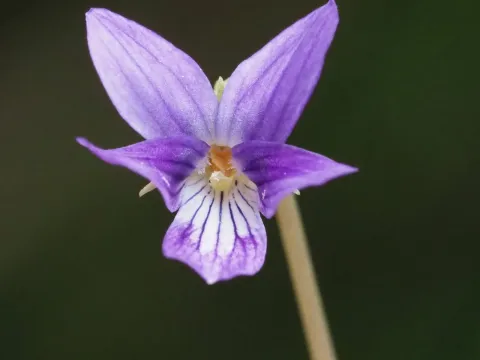
Viola inconspicua
Viola inconspicua
Viola inconspicua is a perennial herbaceous plant belonging to the Violaceae family. It is recognized by its compact growth habit and lanceolate or triangular leaves, often forming dense basal rosettes in suitable environments.
What the section contains
Viola inconspicua
The plant is native to East and Southeast Asia, including regions in China, Japan, and parts of India. It typically thrives in humid environments such as paddy fields, wet grasslands, and moist forest margins where water availability is consistent throughout the growing season.
Agricultural success with this species requires nutrient-rich, well-draining soil with a near-neutral pH level. While the plant appreciates moisture, it is crucial to avoid waterlogged conditions that could lead to root asphyxiation during the early stages of development.
Climate requirements for Viola inconspicua involve moderate temperatures ranging from 18°C to 25°C. It performs best in partial shade, mimicking the conditions of forest understories or shaded field margins, which prevents excessive transpiration and leaf dehydration.
In terms of economic use, the plant is primarily harvested for its therapeutic properties. Traditional medicine utilizes the entire plant to prepare decoctions aimed at treating inflammatory conditions and skin irritations due to its rich content of flavonoids and essential oils.
Common pathological threats include fungal infections like powdery mildew, which can significantly damage the foliage. Additionally, root rot caused by Phytophthora species may occur if the soil moisture levels are not properly managed during cooler, wet periods.
Pest pressure is frequently observed from aphids and spider mites, which can cause significant damage to the leaf tissue. Integrated pest management strategies are recommended to maintain plant health, focusing on biological controls to avoid chemical residue on medicinal biomass.