
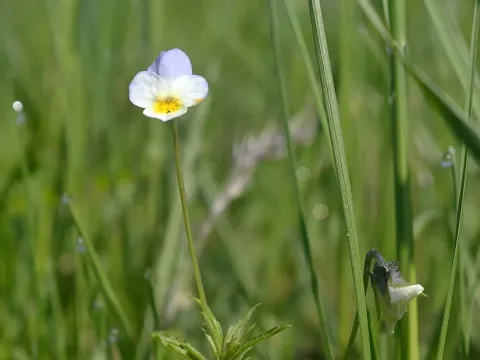
Viola hymettia
Viola hymettia
Viola hymettia, a member of the Violaceae family, is an annual herbaceous plant. In its natural habitat, the seeds of this species typically germinate in the autumn or early spring, as soil temperatures stabilize at moderate levels.
What the section contains
Viola hymettia
For cultivation purposes, sowing is performed in prepared substrates at the end of summer. This timing allows the plant to develop a robust leaf rosette before entering its winter dormancy period.
When sowing, it is crucial to maintain a seed depth of no more than 0.5 to 1 centimeter. The small seeds of the violet require consistent contact with moist soil to ensure successful germination under controlled or outdoor conditions.
Temperature control during the germination phase should be kept between 12 and 18 degrees Celsius. Overheating the soil during seedling emergence can result in significant losses and reduced germination rates.
Providing adequate light exposure is a vital requirement for the seeds, as Viola hymettia is sensitive to light intensity during the initial stages of its lifecycle.
This crop prefers well-drained, slightly acidic to neutral soils with a moderate amount of organic matter. It is highly intolerant of waterlogging, which often triggers the development of root rots.
The plant is adapted to Mediterranean climates and requires open, sunny locations to reach its full development potential. Proper insolation is critical for producing the plant's characteristic flower coloration.
The crop is relatively indifferent to air humidity but struggles under extreme heat combined with aridity. In regions with hot summers, the plant may reach the end of its life cycle prematurely.
Optimal soil pH levels range from 6.0 to 7.0. In heavy clay soils, incorporating sand or perlite is necessary to improve aeration for the root system.
Regular applications of balanced mineral fertilizers during early vegetative stages promote more vigorous flowering and enhance the overall structure of the plant.
The primary threats to Viola hymettia are fungal diseases that proliferate in conditions of high soil moisture. These include powdery mildew and various types of root rot infections.
Pests such as aphids and spider mites can damage the plant's delicate leaves by extracting cell sap. This leads to the deformation of leaves and a significant decline in the ornamental value of the crop.
Slugs and snails pose a major threat during rainy seasons, as they feed on young shoots and flower buds. Protective measures often include gravel mulching or the use of physical barriers.
Disease prevention involves maintaining spatial isolation between individual plants to ensure proper air circulation. Densely crowded plantings are high-risk areas for the rapid spread of infections.
If signs of pest infestation appear, the use of systemic biological pesticides is recommended, as these treatments effectively suppress insect development while maintaining the ecological integrity of the crop.