
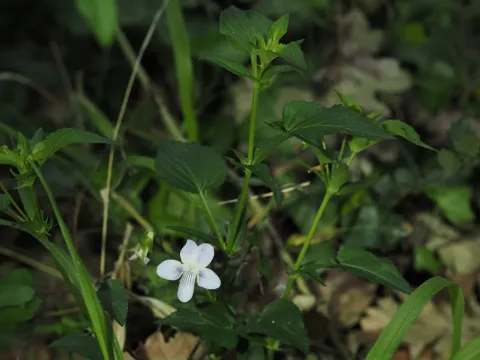
Jordan violet
Viola jordanii
Sowing seeds of Viola jordanii is typically performed in late autumn for winter dormancy or in early spring once the soil has warmed up. The seeds require a period of stratification to enhance germination vigor, ensuring uniform emergence in temperate climates.
What the section contains
Jordan violet
For nursery production, seeds are sown in trays during March, maintaining temperatures around 18-20 degrees Celsius. Once the first two true leaves appear, seedlings are pricked out into individual cells to encourage the development of a strong root system.
For direct seeding methods, seeds should be covered with no more than 0.5-1 centimeter of soil. It is recommended to slightly firm the soil surface after sowing or to apply a thin layer of sand or peat to maintain moisture levels.
Optimal timing for transplanting seedlings into the field occurs in May, once the risk of night frosts has passed. A typical planting pattern is 20 by 20 centimeters, which allows the plants sufficient space to develop without resource competition.
This species belongs to the Violaceae family and is a perennial herb that, under favorable conditions, may propagate through self-seeding, contributing to its persistence in the garden.
Viola jordanii thrives in well-lit locations, although it tolerates partial shade, making it a versatile choice for landscape design. Full sun promotes more vibrant blooming but necessitates consistent moisture management.
Soil requirements include light, well-drained, and nutrient-rich loams. The plant is highly sensitive to waterlogging, necessitating the incorporation of sand or gravel drainage if planted in heavy clay soils.
The crop performs best in slightly acidic to neutral soil conditions. Elevated soil acidity can negatively impact growth rates and flower color intensity, making pre-planting liming a beneficial practice for soil preparation.
Adequate moisture supply is a critical factor during periods of vegetative growth and budding. Regular watering at the base of the plant prevents foliage wilting, while overhead irrigation should be minimized to protect the delicate blooms.
During the winter, Jordan violet demonstrates good cold tolerance. In regions with severe winters and lack of snow cover, providing light protection with brushwood or breathable agro-textiles helps safeguard the growing point.
Primary phytopathological risks involve fungal diseases such as powdery mildew and grey mold (Botrytis). These conditions are typically exacerbated by high ambient humidity and overcrowding, which can be mitigated by proper plant spacing.
Common pests include spider mites and aphids, which feed on the sap of young shoots. Heavy infestations lead to leaf curling and stunted growth of flower stalks, significantly reducing the plant's overall aesthetic value.
Root rots often result from excessive soil moisture and the presence of soil-borne pathogens. Effective prevention includes strict adherence to crop rotation principles and avoiding proximity to other plant species sharing the same pathogens.
Slugs and snails may cause mechanical damage to the leaves, particularly during humid, rainy summer seasons. Using pine needle mulch or specialized barriers helps control the population of these pests naturally.
Regular monitoring of the plots allows for early detection of pest or disease outbreaks. In cases of severe infection, the application of approved systemic fungicides or insecticides following the manufacturer's guidelines is recommended.