
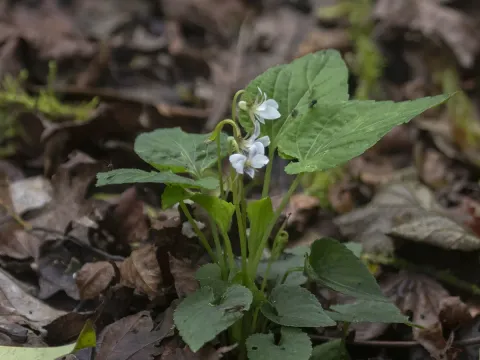
Hoary violet
Viola canescens
The hoary violet (Viola canescens) is a perennial herbaceous plant belonging to the Violaceae family. It is distinguished by the fine, greyish hairs covering its foliage, which provides a unique texture and appearance.
What the section contains
Hoary violet
Native to high-altitude regions of Asia, the plant is naturally adapted to cool environments. It thrives in well-draining soils that are moderately rich in organic matter, avoiding waterlogged conditions at all costs.
In a cultivation setting, the hoary violet requires partial shade or dappled sunlight to maintain its vigor. Excessive exposure to high heat and intense direct sunlight should be avoided to prevent desiccation.
Agrotechnical maintenance includes maintaining a loose soil structure to ensure proper root oxygenation. Mulching may be used to regulate soil temperature and moisture during the warmer summer months.
The cultural use of this plant is primarily ornamental, favored in alpine-style gardens and specialized rockeries where its delicate growth habit and unique leaf coloration can be showcased.
Powdery mildew is a common pathological threat for the hoary violet, especially in environments with poor air circulation or stagnant humidity.
Pests such as spider mites and aphids are frequently observed, particularly when the plants are stressed by dry conditions or improper fertilization.
Gastropods, including snails and slugs, are significant pests that cause mechanical damage to the leaves, which can reduce the ornamental value of the crop.
Root rot, often caused by overwatering or compacted soil, remains the most severe threat to the long-term survival of the plants in a nursery or garden setting.
Integrated pest management strategies are recommended, focusing on maintaining optimal spacing between individual plants and ensuring the sanitary conditions of the surrounding soil.