
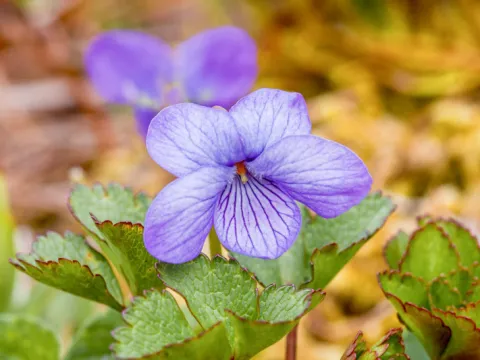
Langsdorff's violet
Viola langsdorfiii
Langsdorff's violet is propagated through seeds which require a period of cold stratification to break dormancy before germination can effectively begin.
What the section contains
Langsdorff's violet
Sowing in containers should be done in early spring using a well-draining, peat-based mix kept in a cool environment to mimic natural seasonal cycles.
Once the seedlings develop the first set of true leaves, they should be carefully transplanted into larger individual pots to facilitate strong root growth.
Transplanting into the permanent garden site is best performed in the spring, once all danger of hard frost has passed in the local region.
Plants should be spaced sufficiently to allow for their natural expansion, as the species tends to form colonies through its creeping rhizomatous system.
Viola langsdorffii belongs to the Violaceae family and is native to the northern regions, including Alaska and Eastern Asia, thriving in subarctic conditions.
The plant features distinct cordate leaves and typically produces light violet or bluish flowers, making it a valuable subject for rock gardens or boggy areas.
Optimal growth occurs in moist, slightly acidic soil enriched with organic matter, reflecting its natural habitat in meadows and along stream banks.
Climate tolerance is a hallmark of this species, as it is exceptionally resistant to cold temperatures and high winds common in its native range.
While it prefers partial shade, the plant can adapt to full sun in colder climates provided that the soil moisture levels are consistently maintained.
The species is primarily susceptible to fungal diseases such as leaf spot and mildew, particularly when planted in areas with poor airflow and high humidity.
Common garden pests including aphids and spider mites may target the foliage during hot, dry spells, necessitating regular health assessments.
Gastropods like slugs and snails are significant threats to young growth and require physical barriers or organic pest control methods to protect the garden.
Root rot remains a concern in poorly drained soils, emphasizing the importance of site selection and soil preparation before the initial planting phase.
Integrated pest management strategies, focusing on healthy cultural practices and biodiversity, are the most effective way to maintain a robust population.