
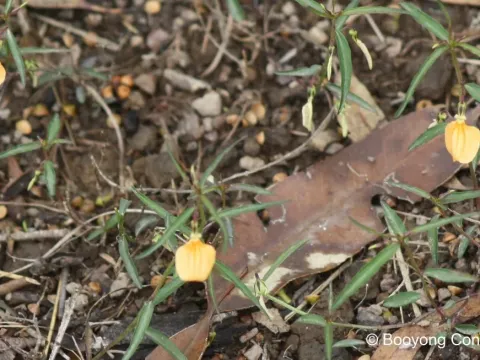
Hybanthus
Hybanthus
Hybanthus is a genus of plants belonging to the Violaceae family, encompassing both herbaceous species and woody shrubs. These plants are native to diverse tropical and subtropical regions worldwide, demonstrating a remarkable ability to thrive in specialized ecological environments.
What the section contains


Hybanthus
Botanically, Hybanthus is recognized by its zygomorphic flowers, which often possess a distinct lower petal morphology compared to the more familiar Viola species. The plants display significant morphological diversity, ranging from prostrate herbs to multi-branched shrubs adapted to local stressors.
Climate requirements for Hybanthus are strictly tropical. Successful cultivation necessitates consistent warmth and high levels of sunlight throughout the year. The species is highly sensitive to frost, which limits its outdoor commercial cultivation to specific latitudes or protected greenhouse environments.
Soil management is critical for the healthy growth of this crop. Hybanthus prefers well-drained, porous substrates. Its unique ability to accumulate nickel from the soil makes it a significant subject for agricultural research, particularly in the field of phytomining and bio-remediation of metal-rich soils.
The primary economic and agricultural value of Hybanthus lies in its environmental utility. By cultivating these plants on contaminated sites, farmers can effectively reduce heavy metal concentrations in the soil while potentially harvesting the accumulated metals from the harvested biomass.
Pathogen pressure is mainly focused on root-related diseases, particularly fungal infections caused by excessive humidity and poor soil aeration. Implementing strict irrigation scheduling is vital to preventing root rot and ensuring the long-term vitality of the plantation.
Common pests affecting Hybanthus include spider mites and aphids, which thrive in hot and dry microclimates. Integrated Pest Management (IPM) strategies, including biological control agents and regular monitoring, are recommended to maintain plant health without compromising the quality of the harvested biomass.