
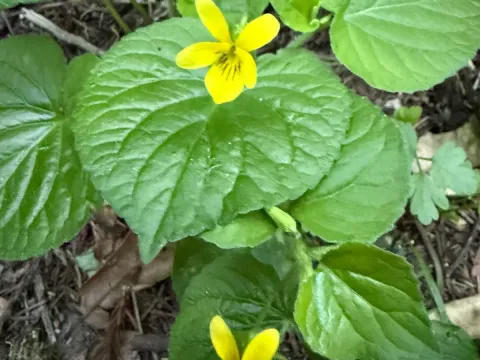
Smooth yellow violet
Viola glabella
The propagation of Viola glabella is primarily performed through seed sowing during the autumn season. This allows for a natural period of cold stratification, which is essential for germination in the spring.
What the section contains
Smooth yellow violet
If indoor sowing is preferred, seeds should be kept in a refrigerator for approximately six weeks to simulate winter conditions. Afterward, they are sown in a light, sterile soil mix with minimal covering.
Germination usually takes several weeks under constant moisture. Once the seedlings develop two or three true leaves, they should be carefully pricked out into individual pots to avoid competition.
When transplanting into the garden, it is crucial to choose a location that mimics the plant's natural woodland habitat. Spacing should be maintained at about 20–25 cm to encourage healthy development.
Vegetative propagation via root division is also an effective method. This is best achieved after the flowering period, ensuring that each division has a healthy portion of roots and foliage.
Viola glabella belongs to the Violaceae family and originates from the moist forests and shady slopes of North America. It thrives in environments where humidity is relatively high.
The plant demands rich, moist, and well-draining soil. Incorporating organic matter such as leaf mold or compost is highly beneficial for sustaining its growth throughout the season.
Shade is a critical requirement for this species. Direct sunlight, especially in the afternoon, can cause leaves to wilt and significantly reduce the lifespan of the plant.
Consistent moisture levels are necessary for the smooth yellow violet. During dry spells, supplementary watering is required, though waterlogging should always be avoided.
Mulching the surrounding soil is a recommended practice to maintain stable soil temperatures and preserve moisture. Organic mulch also helps to slowly improve soil nutrient levels over time.
The primary threats to Viola glabella include powdery mildew and fungal root rots, often triggered by poor ventilation and excessive moisture accumulation in the soil.
Insects like aphids and spider mites can infest the foliage, particularly during warm and dry periods. These pests can weaken the plant and transmit viral diseases if not managed.
Garden slugs and snails are also common pests that feed on the soft leaves of the plant. Barriers or organic slug baits can be used to protect the young sprouts effectively.
Good cultural practices, such as removing dead foliage and ensuring proper spacing, are the best defense against fungal issues. Hygiene in the garden prevents the spread of pathogens.
Regular monitoring of the plant's health allows for early detection of any infestations. If chemical intervention is necessary, opt for products that are safe for beneficial insects.