
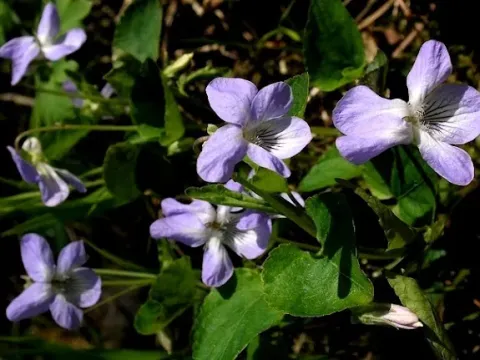
Sikkim violet
Viola sikkimensis
The Sikkim violet (Viola sikkimensis) is an herbaceous perennial species belonging to the Violaceae family. Native to the high-altitude regions of the Eastern Himalayas, it is a plant adapted to cool, misty environments and nutrient-rich mountainous soils.
What the section contains
Sikkim violet
This crop thrives in well-drained, humus-rich soil with a neutral to slightly acidic pH. In cultivation, it is essential to replicate its natural habitat by providing a substrate that retains moisture without becoming waterlogged, ensuring adequate aeration for the delicate root system.
The species requires a climate with mild summers and cool winters. It is highly sensitive to intense direct sunlight, which can scorch its foliage; therefore, planting in semi-shaded areas, such as beneath deciduous trees, is strongly recommended for optimal growth.
Watering management is a critical aspect of its agricultural care. The soil must be kept consistently moist throughout the growing season, but standing water must be strictly avoided to prevent root damage and systemic physiological decline.
The Sikkim violet is relatively hardy, though it benefits from protective mulch during the coldest months in regions prone to frost heave. Annual fertilization with diluted, balanced mineral fertilizers during the early spring encourages vigorous growth and flowering.
The primary threats to Viola sikkimensis involve moisture-related fungal pathogens. Root rot and damping-off disease are common issues in gardens with poor drainage or stagnant air conditions that do not allow the foliage to dry properly.
Slugs and snails are the most prominent pests for this species. They are particularly active during the spring season and can cause severe damage to the young, succulent leaves. Protective measures, including physical barriers or safe molluscicides, are often necessary.
Aphid infestations can occur during the onset of the flowering period, potentially spreading viral diseases. Regular monitoring and the application of insecticidal soaps or natural neem-based remedies can effectively control population levels.
Mildew can appear if the plants are placed too closely together, inhibiting air circulation. To manage this risk, ensure proper spacing between individuals when planting and avoid overhead irrigation during the evening.
Overall, the health of the Sikkim violet is highly dependent on environmental stability. Preventing rapid changes in soil moisture and maintaining clean gardening practices significantly reduce the reliance on chemical treatments for pest and disease control.