
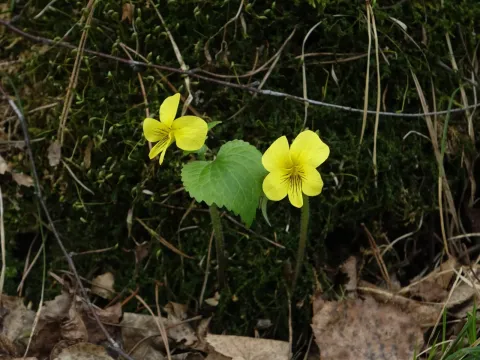
Single-flower violet
Viola uniflora
The single-flower violet (Viola uniflora) is a perennial herbaceous plant belonging to the Violaceae family. It is a distinct species known for its solitary flowering habit and specific adaptation to forested environments across temperate regions of Eurasia.
What the section contains
Single-flower violet
Native primarily to regions in Siberia and the Far East, this plant thrives in cool, shaded forest settings. Its natural range demonstrates a preference for temperate climates with sufficient precipitation and moderate summer temperatures that prevent excessive soil drying.
In a cultivation context, the species requires a well-drained but consistently moist soil enriched with organic matter. Leaf mold or compost additions can mimic the natural forest floor environment, providing the necessary nutrients and structure for healthy root development.
Shade management is the most critical factor for success. The plant does not tolerate direct, intense sunlight, which can cause leaf scorch and dehydration. Providing a canopy or placing the plant in a north-facing position is essential for its long-term viability.
While the plant is hardy and adapted to cold winters, it requires adequate snow cover or mulch to protect the rhizomes from extreme frost fluctuations. Good drainage is imperative, as standing water during spring thaw can lead to fatal root rot.
Fungal pathogens such as powdery mildew are common threats, especially when air circulation is poor and humidity levels remain high for extended periods. These diseases can quickly weaken the plant, affecting its seasonal bloom and overall vigor.
Root rot, triggered by waterlogged soil, is a frequent cause of plant mortality. Heavy clay soils that retain too much moisture deprive the roots of oxygen, creating an ideal environment for pathogenic fungi to colonize the root system.
Pests like aphids and spider mites can infest the foliage, particularly during dry spells or if the plant is under stress. These insects suck nutrients from the leaves, leading to chlorosis, stunted growth, and a reduction in the plant's aesthetic appeal.
Gastropods, including slugs and snails, find the succulent leaves of the violet highly attractive. Gardeners should implement protective measures, such as barriers or organic deterrents, to prevent excessive grazing by these common garden pests.
Integrated pest management is recommended for Viola uniflora. This involves maintaining plant health through proper watering, avoiding overhead irrigation, and using targeted biological treatments to keep pest populations below the damage threshold without harming beneficial insects.