
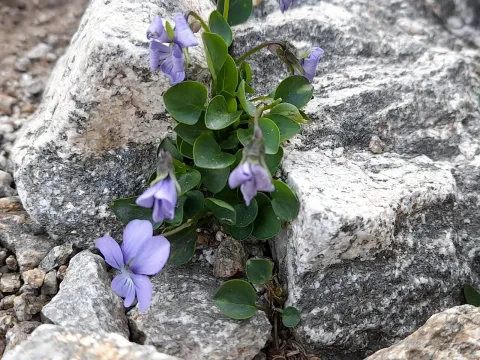
Silver violet
Viola argenteria
Sowing of Viola argenteria seeds is best performed in early spring when temperatures stabilize. In controlled greenhouse environments, sowing can begin as early as late winter to ensure strong seedlings before planting out.
What the section contains
Silver violet
Seeds of this species benefit significantly from cold stratification, a process that mimics natural alpine winters and breaks seed dormancy. This treatment ensures more uniform germination across the seed tray.
The optimal substrate for sowing must be light and well-draining, consisting of a mix of peat moss, perlite, and coarse sand. This composition allows the delicate roots of the seedlings to establish without risk of rot.
Seeds should be covered very lightly with soil or vermiculite, as they require a minimal amount of light to trigger germination. Maintaining a consistent humidity level is crucial during this initial phase.
Once seedlings have developed two sets of true leaves, they are ready for hardening off. This transition period should last for about one week before moving them to their permanent outdoor location.
As a member of the Violaceae family originating from high-altitude regions, Viola argenteria thrives in cool, alpine-like conditions. It is specifically adapted to environments with high light intensity and rocky soils.
The plant requires a soil pH that is slightly alkaline to neutral. It is essential to ensure that the site has excellent drainage, as the species is highly sensitive to waterlogged conditions, particularly during the winter months.
Climate adaptability is one of the plant's main strengths, as it demonstrates significant tolerance to freezing temperatures. However, it requires a cooling period to thrive and may struggle in regions characterized by intense, prolonged summer heat.
Watering should be managed carefully, providing enough moisture to keep the soil lightly damp without inducing saturation. Drip irrigation or careful hand watering at the base of the plant is preferred to avoid wetting the leaves.
The species excels in rock gardens or alpine troughs where the specific drainage requirements can be met. Ensuring good airflow around the foliage is a key management strategy to maintain plant health.
The primary threats to Viola argenteria are fungal pathogens, specifically those causing root rot and damping-off in younger plants. Proper sanitation of tools and substrate is the most effective preventive measure.
Powdery mildew can manifest during periods of high humidity and poor air circulation. If detected, thinning the plants to improve airflow and applying appropriate fungicides can mitigate the spread of the disease.
Insect pests such as aphids and spider mites may target the plant during the active growing season. Regular scouting is recommended, as early intervention prevents the rapid colonization of these pests.
Gastropods, including slugs and snails, are frequent visitors that can cause significant leaf damage. Implementing physical barriers or using pet-safe molluscicides helps protect the foliage from these nocturnal feeders.
In addition to biotic threats, physiological stress due to sudden temperature spikes can impact plant vitality. Maintaining a stable environment through mulching helps regulate soil temperature and provides protection for the root system.
While primarily an ornamental crop, harvest in this context refers to the collection of seeds for future propagation. Seed pods should be harvested just before they split naturally to ensure the highest yield of mature, viable seeds.
After collection, the pods should be dried in a well-ventilated, shaded area. Once the pods have opened, the seeds can be easily separated from the debris and stored in a cool, dry place for subsequent planting cycles.