
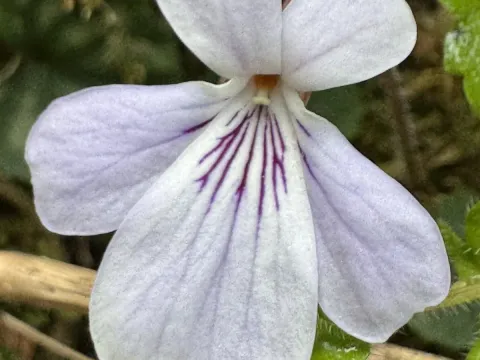
Viola formosana
Viola formosana
Viola formosana is a perennial herbaceous plant belonging to the Violaceae family. It is native to the diverse mountainous ecosystems of Taiwan, typically thriving in shaded, humid environments under the canopy of larger vegetation.
What the section contains
Viola formosana
The cultivation of this plant requires a location with bright, indirect light. Prolonged exposure to intense direct sunlight can cause significant leaf scorch and heat stress, which negatively impacts the plant's overall health and aesthetic appeal.
Temperature management is crucial for the optimal growth of Viola formosana. It performs best in a controlled range between 18°C and 24°C, avoiding extreme fluctuations that can trigger dormancy or inhibit floral development.
The substrate must provide superior drainage while maintaining consistent moisture. A mixture comprising peat moss, perlite, and organic compost is ideal for encouraging a healthy root system, preventing the common issue of root rot.
Maintaining high relative humidity, ideally between 60% and 70%, is essential for this species. In indoor or greenhouse settings, this can be achieved through ultrasonic humidifiers or pebble trays, ensuring the foliage remains vibrant and hydrated.
Fungal pathogens represent the most significant threat to Viola formosana, particularly when soil moisture management is poor. Root rot, caused by species like Pythium, can lead to rapid wilting and the loss of the plant if not addressed early.
Powdery mildew often appears during periods of high humidity and insufficient air circulation. Managing this involves spacing plants correctly to allow for airflow and applying appropriate preventative fungicides when conditions are conducive to fungal growth.
Spider mites are common pests that thrive in dry environments. They cause stippling on the leaves and can lead to plant decline if left unchecked. Routine monitoring and increasing local humidity are effective control measures.
Thrips may target the developing buds and flowers, resulting in deformed blossoms and reduced flowering capacity. Integrated pest management, including biological controls or targeted sprays, is recommended for effective population suppression.
Fungus gnats can become an issue in overly damp potting soil. Their larvae feed on organic matter and roots, causing damage. Reducing moisture and using yellow sticky traps are common strategies used to manage their population in a greenhouse setting.