
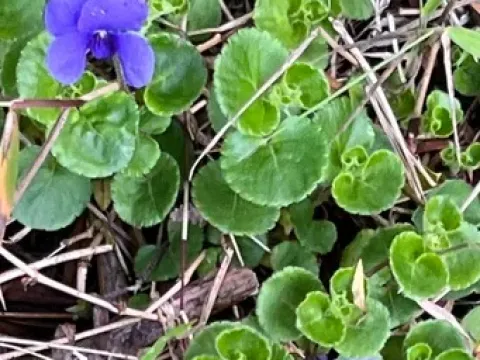
Viola eminii
Viola eminii
Viola eminii is a distinctive plant species belonging to the Violaceae family. Its natural habitat is concentrated in the mountainous regions of East Africa, where it has evolved to thrive under specific tropical alpine conditions. As a botanical subject, it represents a specialized niche in ornamental horticulture.
What the section contains
Viola eminii
The plant is characterized by a compact growth habit, featuring distinct foliage patterns and delicate flowers typical of the genus. Its botanical structure is optimized for high-altitude environments, making it a sensitive subject for cultivation in environments that differ significantly from its native range.
Regarding climate requirements, this species demands stable environmental conditions. It is highly sensitive to extreme temperatures, preferring a moderate range between 18°C and 24°C. Excessive heat or direct frost is detrimental to its physiological development and overall plant vigor.
Soil and substrate management is crucial for the successful growth of this plant. It requires well-draining, slightly acidic soil media that prevents moisture accumulation around the root zone. Overwatering is a significant risk factor that frequently leads to secondary health issues.
In terms of economic and practical application, Viola eminii is primarily cultivated for scientific interest and the high-end ornamental market. Its rarity makes it a target for selective breeding programs, aiming to preserve the genetic integrity of the species while enhancing its aesthetic appeal.
The primary threats to Viola eminii are fungal infections such as powdery mildew and root rot. These diseases are usually triggered by poor ventilation and suboptimal soil moisture levels, which can devastate a collection if not identified and treated early with appropriate fungicides.
Pest infestations, particularly spider mites and thrips, represent a constant challenge for growers. These pests thrive in dry indoor environments and require a proactive management strategy, including regular plant inspection and the application of targeted biopesticides to maintain plant health.