
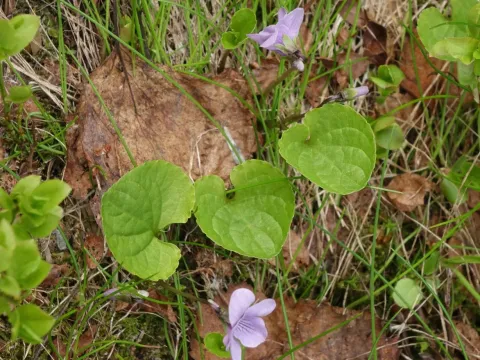
Viola epipsiloides
Viola epipsiloides
Viola epipsiloides is a perennial herbaceous plant belonging to the Violaceae family. It is recognized for its specific physiological traits that allow it to thrive in the northern regions of Eurasia, where it is native to boreal and arctic-alpine environments.
What the section contains
Viola epipsiloides
The plant is typically found in moist meadows, riverbanks, and marshy grasslands. It is not cultivated as a commercial agricultural crop, but it plays a significant role in local plant communities, contributing to the biodiversity of riparian and wetland ecosystems.
Botanically, the species is defined by its glabrous (smooth) leaves, which lack the typical pubescence found in many other violet species. It has a robust rhizomatous root system that facilitates overwintering in environments characterized by severe frosts and long periods of dormancy.
Regarding environmental requirements, Viola epipsiloides demands stable soil moisture and thrives in acidic to neutral substrates rich in organic matter. It prefers areas with consistent hydration, as it lacks mechanisms to withstand prolonged droughts, making it sensitive to hydrological changes.
In terms of agricultural or economic usage, this plant is primarily of interest for botanical research and ecological conservation. There are no specialized agronomic protocols for its cultivation, as it exists as a wild species protected by the resilience of its natural habitat conditions.