
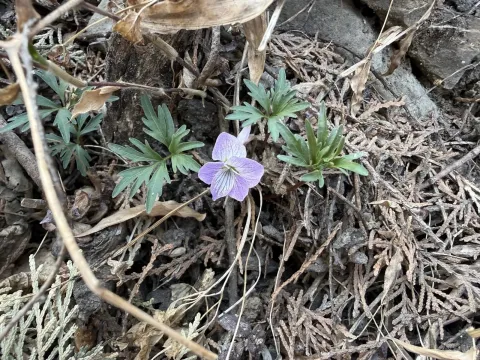
Viola dissecta
Viola dissecta
Sowing Viola dissecta is ideally performed in late autumn to ensure natural stratification of the seeds, which is crucial for high germination rates. If spring sowing is preferred, seeds must be cold-stratified in a refrigerator at 2–4°C for at least one month.
What the section contains
Viola dissecta
Seeds should be sown into a light, well-draining substrate at a depth of approximately 0.5 cm. Maintaining consistent humidity without waterlogging is the most critical factor for successful initial development.
In field conditions, rows should be spaced 25–30 cm apart to facilitate weed control and crop management. Germination typically occurs within two to three weeks once soil temperatures reach a stable 15°C.
Once seedlings develop two sets of true leaves, they should be thinned to a density of 15–20 plants per square meter. This spacing ensures adequate light penetration and air circulation for each individual.
Growth is relatively slow in the early stages; therefore, preventing weed competition during the first 30 days post-germination is essential for the healthy establishment of the crop.
Viola dissecta is a perennial herbaceous plant belonging to the Violaceae family. It is native to the steppe and forest-steppe regions of East Asia, displaying high adaptability to varying climatic conditions.
The plant thrives in full sun or light shade and exhibits excellent cold hardiness. It is well-suited for temperate climates, preferring temperatures ranging between 18°C and 22°C during the peak growing season.
Ideal soil conditions include well-aerated, neutral to slightly acidic soils. Sandy loams are preferred as they prevent the risk of root suffocation associated with heavy, water-retentive clay soils.
Regular but moderate watering is necessary, especially during the flowering period. However, gardeners and farmers must avoid prolonged wet conditions to prevent the development of root diseases.
Nutrient management involves applying balanced fertilizers, high in phosphorus and potassium, during the pre-flowering phase to enhance overall plant vitality and flower production.
The primary threats to Viola dissecta include fungal diseases like powdery mildew and various leaf spots, which thrive in conditions of poor air circulation and excessive humidity within the canopy.
Root rot represents a significant physiological risk if the soil structure fails to provide sufficient drainage. Preventive measures include thorough site preparation and avoiding overcrowding in planting rows.
Common pests such as spider mites and aphids may attack the foliage by extracting cell sap. This activity leads to visible stippling or curling of the leaves, which can reduce the plant's growth vigor.
Slugs and snails can cause significant damage to young vegetative growth, particularly during wet spring seasons. Barrier methods, such as wood ash or crushed eggshells, are effective for non-chemical control.
To manage pest and disease pressure effectively, it is recommended to perform regular inspections and remove any infected debris, ensuring the area remains clean and conducive to healthy plant growth.