
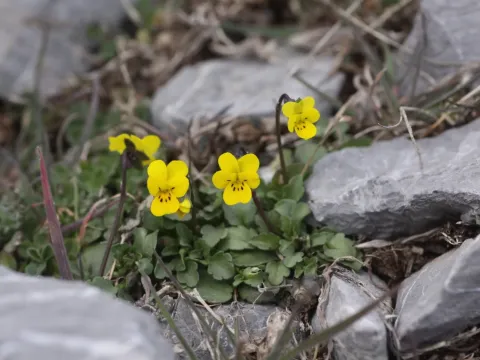
Viola demetria
Viola demetria
Sowing Viola demetria seeds is best performed in early spring once the soil temperature consistently reaches 10 to 12 degrees Celsius.
What the section contains
Viola demetria
For indoor propagation, seeds should be sown in seed trays during late winter to ensure strong seedlings are ready for outdoor transplanting.
The seeds require light to germinate, so they should be surface-sown and only lightly pressed into the growing medium rather than buried deep.
Maintaining a consistent spacing of 20 to 25 centimeters is crucial to ensure that each plant has enough room for optimal airflow and development.
Pre-chilling the seeds in a refrigerator for approximately two weeks before planting can significantly increase the overall germination rate.
This crop thrives in well-drained, nutrient-rich soil with a slightly acidic to neutral pH level between 6.0 and 7.0 for best nutrient uptake.
Viola demetria performs best in partial shade, where it is shielded from the harsh intensity of direct midday sunlight during the warmer months.
Regular watering is necessary, but it is vital to allow the top layer of the soil to dry slightly to prevent root rot caused by waterlogging.
Moderate humidity levels and good air circulation are essential to maintain plant health and prevent the development of various fungal infections.
Applying organic compost during soil preparation provides a slow-release source of nutrients that sustains the plant throughout its growing season.
The yield of Viola demetria is measured by the quantity and quality of flower production per square meter of the planted garden area.
Regular deadheading of spent blossoms is a critical practice that redirects the plant's energy toward producing new buds throughout the season.
Proper fertilization using balanced NPK mixtures during the active growth phase significantly boosts the overall bloom count of the crop.
Young plants typically show the highest vigor, and yield can be sustained over multiple years if the plants are kept healthy and correctly trimmed.
When grown for landscaping purposes, the visual impact and density of the flowers serve as the primary indicator of a successful harvest.
Powdery mildew is a common threat, often appearing during periods of high humidity and poor air circulation between the dense plant foliage.
Spider mites can cause significant damage by piercing leaf tissues, leading to discoloration, loss of vigor, and stunted growth in infested plants.
Integrated pest management strategies, such as using horticultural soaps or neem oil, are effective for controlling minor infestations of pests.
Slug and snail damage is particularly problematic during wet weather, necessitating the use of physical barriers to protect tender young leaves.
Early identification of disease symptoms and the immediate removal of infected plant material are key steps in preventing the spread of pathogens.
The harvest of seed capsules should take place when they turn light brown and show signs of opening, indicating maturity of the seeds inside.
Collecting seeds during the dry part of the day prevents the risk of moisture-induced mold development during the drying and storage process.
Once harvested, seeds must be thoroughly dried in a well-ventilated, shaded environment before being sealed in containers for future use.
For decorative harvest, cut flowers should be placed in clean, cool water immediately to maintain their freshness and aesthetic appeal.
Effective post-harvest management ensures that the seed stock maintains high viability until the next sowing season begins.