
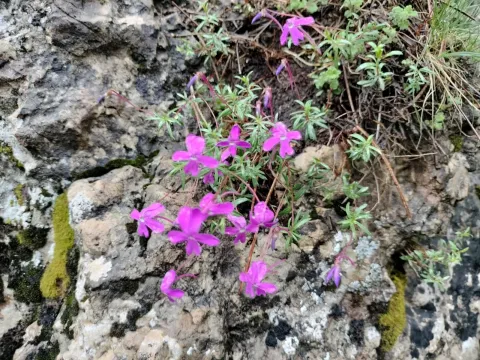
Viola cazorlensis
Viola cazorlensis
Viola cazorlensis is a member of the Violaceae family. This species is an endemic plant native to the Sierra de Cazorla mountain range in southeastern Spain, where it grows in limestone crevices.
What the section contains
Viola cazorlensis
Botanically, it is a perennial herb characterized by narrow, lanceolate leaves and striking pinkish-purple flowers equipped with unusually long spurs, distinguishing it from other common violet species.
This plant requires a high-altitude climate simulation to thrive. It demands cool, well-ventilated environments and is generally poorly adapted to hot or humid low-lying garden conditions, making it a challenge for growers.
Soil requirements involve a stony, calcareous substrate with excellent drainage. The plant is highly sensitive to root rot, so moisture management is critical; water must pass through the substrate immediately without creating stagnant conditions.
The primary use for Viola cazorlensis is ornamental, specifically within specialized alpine gardens or rockeries. Its rarity and unique aesthetic make it a highly sought-after specimen for collectors of rare rock garden flora.
The main threats to Viola cazorlensis involve fungal diseases caused by excess humidity and poor air circulation. Root rot is the most significant danger, often resulting from improper soil drainage or overwatering during the dormant season.
Common pests include the spider mite, which can thrive in dry conditions and damage the foliage. Additionally, slugs and snails pose a severe threat to young plants, as they can quickly consume the succulent parts of the vegetation in rock garden settings.