
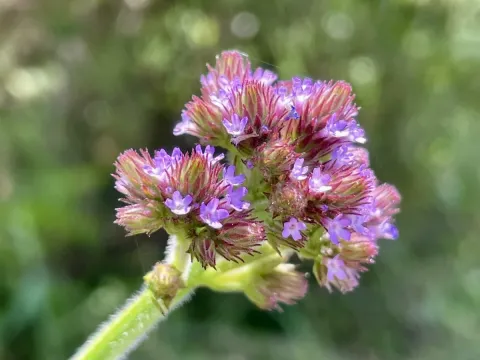
Verbena incompta
Verbena incompta
Verbena incompta, a member of the Verbenaceae family, is typically managed as an annual crop requiring careful timing for optimal establishment in field or garden settings.
What the section contains
Verbena incompta
Seeds should be sown indoors during late winter, specifically February or March, to ensure a robust plant start before the spring transplanting window opens.
The seeds require surface sowing or very light covering with a fine growing medium, as they need consistent moisture and warmth to trigger uniform germination.
Maintaining a temperature range of 20 to 22 degrees Celsius is critical during the initial germination phase to achieve high success rates for the seedlings.
Once the risk of frost has passed in late spring, seedlings should be hardened off before being permanently placed into their outdoor growing locations.
This species thrives in full sun exposure, which is essential for maximizing both foliage vigor and the intensity of its distinct floral displays throughout the season.
Well-drained, fertile soil is a primary requirement; the culture is sensitive to waterlogged conditions, which can quickly lead to root decay and overall plant decline.
The plant demonstrates good tolerance for dry spells, making it a resilient option, although moderate and consistent irrigation is preferred for peak performance.
Soil pH should ideally be neutral or slightly acidic; incorporating organic matter before planting improves structure and nutrient availability for the growing crop.
Spacing during planting is vital to ensure adequate air movement, which naturally mitigates the risk of humidity-related issues that frequently affect this genus.
Powdery mildew is the most significant disease challenge, particularly in environments with poor air circulation or extended periods of high humidity and heat.
Proper hygiene, including the removal of infected plant debris, is essential to limit the spread of pathogens throughout the planting area during the growing cycle.
Pests such as aphids and spider mites may target the plant, feeding on sap and reducing the aesthetic value of the foliage if left unchecked by the grower.
Integrated pest management strategies, including the use of neem oil or targeted insecticidal soaps, are recommended for controlling early infestations effectively.
Monitoring for signs of wilting or discoloration allows for early intervention, ensuring that the health and vitality of the Verbena incompta stand remain high.