
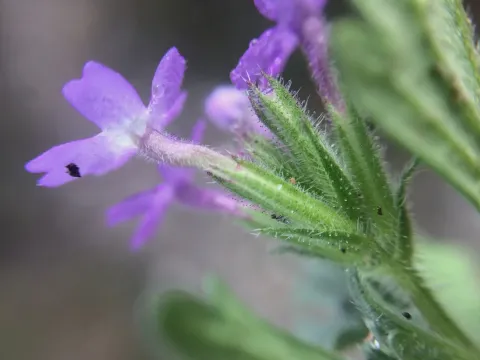
Verbena elegans
Verbena elegans
Verbena elegans belongs to the Verbenaceae family and is commonly cultivated as an annual in temperate climates. Seeds are typically sown indoors in late winter or early spring to ensure a long growing season and early flowering once transplanted outdoors.
What the section contains
Verbena elegans
For successful germination, seeds require bright light and should be surface-sown or only lightly covered with a thin layer of fine substrate. A temperature range between 20 and 22 degrees Celsius is optimal for triggering the biological processes in the seeds.
Once the seedlings develop their first true leaves, they should be pricked out into individual pots. This transition phase is crucial for establishing a robust root system, allowing the plant to thrive when it is eventually moved to its final garden location.
Transplanting into the garden should only take place after the last spring frost has passed, usually in late May. Proper spacing, typically 25 to 30 centimeters apart, is essential to allow for healthy air circulation around the plants as they mature.
Using high-quality, fresh seeds and a sterile, well-draining seed-starting mix significantly increases germination rates. Careful monitoring of soil moisture during the first few weeks is vital to ensure that the delicate seedlings remain healthy and strong.
Verbena elegans is a sun-loving plant that demands a location with full exposure to sunlight. In partial shade, the plants tend to become leggy and produce significantly fewer flowers, losing their characteristic elegant appearance.
The ideal soil for this crop is fertile, light, and exhibits excellent drainage properties. While the plant can tolerate various soil types, avoiding heavy clay is necessary to prevent waterlogging, which often leads to root decay and overall plant stress.
Regular watering is required to maintain soil moisture, especially during peak summer temperatures. However, it is essential to ensure that the soil does not become waterlogged; a balance between moisture and drainage is key to maintaining vigorous growth.
The plant thrives in temperatures ranging from 18 to 25 degrees Celsius. While it can withstand moderate heat, it is sensitive to extreme frost, which necessitates its management as an annual plant in most regions outside its native tropical habitat.
Applying balanced fertilizer regularly throughout the growing season encourages constant blooming. Fertilizers with higher levels of phosphorus and potassium are particularly effective at supporting the production of vibrant flowers throughout the summer months.
Powdery mildew is one of the most significant fungal threats to Verbena elegans, particularly in environments with poor air circulation or fluctuating humidity. It appears as a white, dusty layer on leaves and can cause premature leaf drop if untreated.
Root rot, caused by overwatering or poorly drained soil, is another major concern. This condition weakens the plant's structural integrity and often leads to the sudden wilting of the stems, making it difficult to recover the affected specimen.
Insect pests such as aphids and spider mites are frequent invaders of this ornamental crop. Aphids typically cluster on the undersides of leaves and near flower buds, while spider mites flourish in hot, dry conditions, causing fine webbing and discoloration.
Integrated pest management, including regular inspection and the use of insecticidal soaps or neem oil, is highly effective for controlling these infestations. Early detection is paramount to preventing significant damage to the plant's health and appearance.
Maintaining proper hygiene in the garden, such as removing debris and preventing overcrowding, minimizes the habitat available for pests and fungi. Providing optimal growing conditions remains the most effective defense strategy for any grower.