
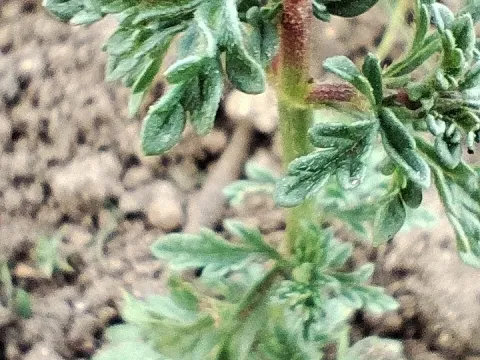
Verbena supina
Verbena supina
Verbena supina is an annual plant that thrives in warm climates, requiring soil temperatures above 15 degrees Celsius for successful germination and early stage development.
What the section contains
Verbena supina
Direct seeding in the field should be planned for late spring once the threat of frost has completely passed, ensuring the soil is well-prepared and loose.
For more consistent results, many growers utilize the greenhouse propagation method, sowing seeds in early spring to establish vigorous seedlings before transplanting.
The seeds require light for optimal germination; therefore, they should be sown on the surface of the soil or covered with a very thin layer of fine substrate.
Once seedlings have developed at least two sets of true leaves, they are ready for hardening off and subsequent planting into the main production area.
As a member of the Verbenaceae family, Verbena supina requires full sun exposure for at least six to eight hours per day to achieve its full growth potential.
The crop prefers well-drained, fertile soil with a neutral to slightly alkaline pH, making it highly adaptable to various sandy or loamy textures.
While the plant exhibits some drought tolerance, regular and controlled watering during the peak growing season significantly improves the overall biomass and health.
Applying a balanced NPK fertilizer during the vegetative growth phase helps the plant develop strong stems and promotes uniform flowering across the field.
Proper plant spacing is essential to ensure adequate airflow, which prevents the development of localized humidity issues and reduces the pressure from fungal pathogens.
Powdery mildew is the most common fungal threat, typically appearing during periods of high humidity and stagnant air, which can quickly compromise plant foliage.
Root rot resulting from poor soil drainage or over-irrigation remains a critical risk that can destroy plant stands if not addressed with improved drainage techniques.
Aphids and spider mites are the primary pests that affect this crop, feeding on the tender apical growth and reducing the plant's overall vigor and yield quality.
Integrated pest management strategies, including the use of beneficial insects and selective organic sprays, are recommended to maintain plant health throughout the cycle.
Sanitation practices, such as removing debris and controlling nearby weeds, are vital for breaking the disease cycle and ensuring a healthy production season.
The harvesting of Verbena supina is best timed to coincide with the peak flowering period, which is when the concentration of plant secondary metabolites is at its highest.
Using sharp, sterilized blades for harvesting ensures clean cuts, which minimizes tissue stress and prevents the entry of pathogens into the stem or vascular system.
Immediate post-harvest drying in a well-ventilated, shaded area is crucial to lock in the chemical properties and prevent degradation caused by heat or humidity.
Moisture content should be monitored closely during the drying phase; over-drying can lead to brittle material, while under-drying can cause mold during storage.
Final product storage must occur in cool, dark, and dry conditions using airtight containers to protect the harvest from oxidation and loss of essential qualities.