
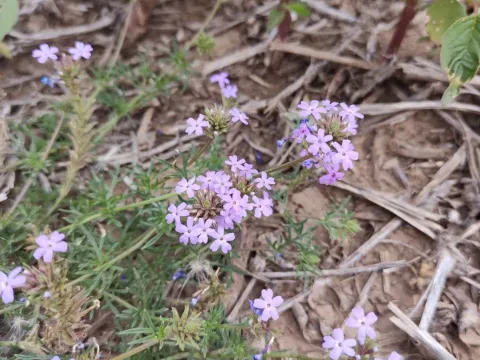
Verbena dissecta
Verbena dissecta
Verbena dissecta is typically propagated from seeds sown indoors during late winter or early spring to ensure the plants have enough time to establish.
What the section contains
Verbena dissecta
It is recommended to cold-stratify the seeds for a short period to increase the germination rate, as Verbena seeds can have variable dormancy.
Seeds should be sown on the surface of a light, sterile seed-starting mix, as they require light to germinate effectively and should not be covered deeply.
Seedlings should be transplanted into individual containers once they develop their first set of true leaves to encourage a robust root system.
Hardening off the seedlings is a crucial step before transplanting them into the outdoor garden after the risk of frost has passed in the late spring.
Verbena dissecta belongs to the Verbenaceae family and is recognized for its unique, finely divided, fern-like foliage and clusters of fragrant blooms.
The plant thrives in full sun exposure, requiring at least six to eight hours of direct sunlight per day to maintain healthy growth and flower production.
It prefers well-drained, sandy, or loamy soil with a neutral to slightly alkaline pH level, as it is highly sensitive to waterlogged environments.
Regular maintenance includes consistent watering during dry periods, although the plant is relatively drought-tolerant once fully established in the landscape.
Light pruning after the first flush of flowers can significantly encourage secondary blooming and maintain the aesthetic form of the plant throughout the season.
Powdery mildew is the most significant disease threat to Verbena dissecta, especially in areas with high humidity or stagnant air circulation around the plants.
Root rot caused by overwatering or poor drainage is a common issue that can quickly weaken the plant's vascular system and lead to premature death.
Common pests that target this crop include aphids, which suck sap from the foliage, and spider mites, which thrive in hot and dry conditions.
Monitoring the undersides of leaves regularly allows for early detection of insect infestations, facilitating more effective and less toxic treatment options.
Applying proper cultural practices, such as increasing space between plants and avoiding overhead watering, significantly reduces the occurrence of fungal issues.