
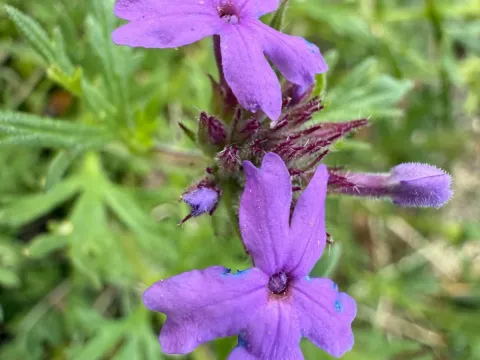
Verbena ciliata
Verbena ciliata
The sowing of Verbena ciliata is typically conducted using a seedling method. The seeds have moderate germination energy, so a cold stratification period of about two weeks is highly recommended to improve overall sprout uniformity.
What the section contains
Verbena ciliata
Seeds should be sown in late February or March into a well-drained, nutrient-rich substrate. The containers must be covered with plastic film to maintain moisture, keeping the temperature between 20–22 °C until emergence.
Pricking out the seedlings occurs after the development of the first two true leaves. It is crucial to provide artificial lighting during this stage to prevent the stems from becoming leggy and weak.
Transplanting to the permanent growing site is performed only after the last frost risk has passed, typically by mid-May. Hardening off the plants for a week before planting ensures better survival.
When planting, ensure a proper distance between seedlings, usually 20–30 cm, to allow for adequate air circulation and to prevent the spread of soil-borne pathogens.
Verbena ciliata belongs to the Verbenaceae family and is native to North and Central American regions. It is a light-demanding crop that flourishes in sunny locations, which are essential for blooming.
The plant requires well-drained, fertile soil with a neutral pH level. While it is tolerant of various soil types, avoid clay-heavy soils that retain too much moisture, as this may lead to root suffocation.
Although it possesses good drought resistance, consistent moisture is required during the initial growth phase and the peak flowering season to ensure the plants maintain their decorative value.
Fertilization should be balanced, with a focus on phosphorus and potassium rather than nitrogen, which can lead to excessive foliage growth at the expense of flower production.
Regular maintenance, including light soil cultivation around the root zone, helps to aerate the soil and prevents weed competition, which is critical for the healthy development of young plants.
The primary threats to Verbena ciliata are fungal infections, most notably powdery mildew. This condition often thrives in environments with poor air circulation or high humidity levels.
Root rot is a significant risk factor if the soil remains constantly waterlogged. Proper drainage and responsible irrigation schedules are the best preventive measures against these fungal issues.
Common pests such as aphids and spider mites can infest the plant, especially during hot and dry spells. These pests suck the sap from the leaves, causing wilting and stunted growth.
Integrated pest management, including the use of systemic insecticides or biological controls, is effective in keeping pest populations under control during the growing season.
Sanitation practices, such as removing dead leaves and infected plant parts, are essential to stop the spread of spores and maintain the aesthetic quality of the verbena beds.