
Verbena ambrosiifolia
Verbena ambrosiifolia
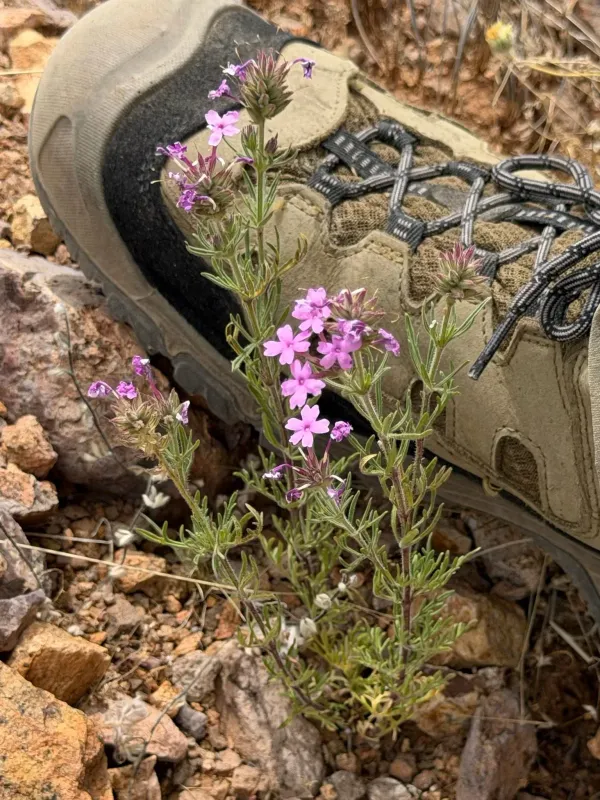
Description
Sowing dates
Seeds of Verbena ambrosiifolia should be sown indoors in late winter to ensure they are well-established before the transplantation into the open field.
A sterile, well-draining seed-starting mix is essential to prevent damping-off, a common issue during the initial germination phase of this species.
Maintaining a temperature range of 20 to 24 degrees Celsius is critical for consistent germination rates across the entire tray of seeds.
Transplanting into the garden takes place after the last frost, ensuring the plants have acclimatized to outdoor conditions through a hardening-off period.
Proper spacing is vital, with a distance of 30 centimeters between plants to promote optimal airflow and prevent overcrowding in the garden beds.
Growing requirements
Belonging to the Verbenaceae family, Verbena ambrosiifolia is naturally adapted to arid and semi-arid environments, making it highly drought-tolerant once established.
The plant thrives in full sun exposure, requiring at least six to eight hours of direct sunlight to maintain its structural integrity and vegetative growth.
Well-drained soil is non-negotiable for this species; it performs best in sandy or gravelly loam textures that mimic its native habitat conditions.
Soil pH should ideally be neutral or slightly alkaline, as excessive acidity can limit the availability of key micronutrients needed for healthy development.
While the plant is resistant to heat, adequate moisture during the initial establishment phase is necessary to develop a deep and resilient root system.
Main diseases and pests
Aphids and spider mites are the most prevalent pests encountered when cultivating Verbena ambrosiifolia, particularly in hot and dry weather conditions.
Powdery mildew represents the primary pathological threat, often occurring when environmental humidity is high and foliage remains wet for extended periods.
Root rot caused by pathogens like Phytophthora is a significant risk if the soil remains waterlogged or if drainage is insufficient for the plant's needs.
Management of these threats involves rigorous sanitation practices, including the removal of infected plant debris and proper weed control around the beds.
Applying preventative horticultural oils or fungicides at the first sign of mildew can significantly protect the vigor and quality of the cultivated plants.