
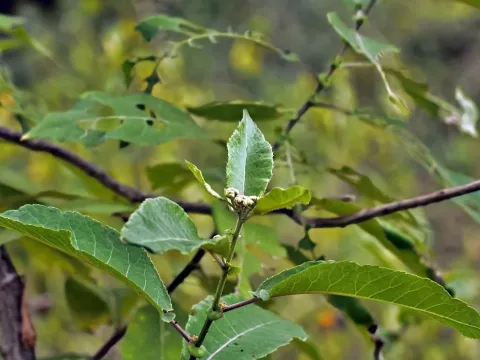
Vernonia stipulacea
Vernonia stipulacea
The sowing process for Vernonia stipulacea requires a well-prepared seedbed that is free of weeds and adequately loosened. The optimal time for planting is once soil temperatures have consistently reached at least 18 to 20 degrees Celsius.
What the section contains
Vernonia stipulacea
Seeds should be planted at a shallow depth of approximately 1 to 2 centimeters. Ensuring good soil-to-seed contact is vital, which is why a light rolling of the field after sowing is recommended to promote uniform germination.
Proper spacing between rows is essential, generally recommended at 40 to 50 centimeters. This provides sufficient space for root development and ensures adequate airflow, which is crucial for managing the moisture balance of the crop.
In regions with unpredictable frost risks, starting seedlings in a controlled environment or under protective covers is highly effective. This ensures that the plants are well-established before being transplanted into open field conditions.
Using high-quality, pre-tested seeds significantly increases the success rate of the crop. Calculating the precise seed rate based on the specific soil fertility levels of the plot allows for maximum efficiency in crop density.
Vernonia stipulacea is a member of the Asteraceae family, recognized for its resilience in warm climates. It thrives best in well-drained, fertile loam soils that maintain a neutral pH level, avoiding areas prone to waterlogging.
This crop is highly light-demanding. It requires full exposure to direct sunlight for the majority of the day to reach its full vegetative potential. Shaded areas significantly impede growth and reduce the quality of the harvest.
Water management is a key factor in the early stages of development. While mature plants show moderate drought tolerance, consistent moisture during the initial growth phase is necessary for developing a deep and healthy root system.
The plant is highly responsive to fertilizer applications. Supplementing the soil with nitrogen and phosphorus at the beginning of the budding phase can boost overall plant health and significantly increase the total yield of the crop.
- Ideal temperature range: 20–28°C.
- Soil pH preference: 6.0–7.5.
- Light requirement: Full sun (6+ hours daily).
The yield of Vernonia stipulacea depends largely on the maintenance of plant vigor throughout the growing season. A well-managed crop with sufficient nutrient availability typically results in robust growth and higher seed output.
High yields are achieved when the plant is shielded from competitive weed pressure and given enough space to develop its full canopy. Regular field maintenance is essential to prevent resource competition that would otherwise diminish productivity.
Climate fluctuations, especially during the flowering period, can impact the final harvest. Stable weather conditions promote better flower fertilization and lead to more consistent seed weight across the field plots.
Harvesting should be performed systematically as maturity is reached. Since Vernonia stipulacea may exhibit staggered ripening, multiple harvest passes might be required to capture the maximum volume of seeds without compromising quality.
Ultimately, productivity is linked to the genetic quality of the seeds planted and the consistency of the agronomic practices employed throughout the season. Implementing sustainable fertilization programs often results in a 10–15% yield improvement.
Root rot represents the primary threat to Vernonia stipulacea, especially in poorly drained soils. Excess humidity creates the perfect environment for fungal pathogens to thrive, which can quickly devastate a developing crop.
Pests such as aphids are frequently observed during the flowering stage. These insects feed on plant juices, weakening the stems and potentially causing poor seed filling if left unchecked by integrated pest management practices.
Weeds pose a significant challenge early in the season, acting as direct competitors for vital nutrients and water. Mechanical cultivation between rows is standard practice to suppress weed growth before the canopy fully closes.
Mite infestations can occur in warmer, drier spells, necessitating monitoring for leaf discoloration or webbing. Biological controls and the introduction of natural predators are often sufficient to manage these populations effectively.
To maintain long-term soil and crop health, strict adherence to crop rotation cycles is mandatory. Avoiding consecutive plantings in the same field for at least four years prevents the build-up of specific soil-borne pathogens.