
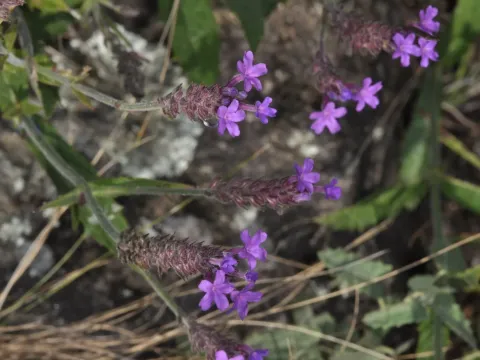
Verbena intermedia
Verbena intermedia
Sowing of Verbena intermedia is typically planned for early spring, once the threat of night frosts has passed. To achieve earlier flowering, seeds are sown in greenhouses during February or March, allowing the plant to gain strength before being transplanted into open ground.
What the section contains
Verbena intermedia
The seeds of this culture have relatively low germination energy, so it is recommended to stratify them for 10–15 days before sowing. This process promotes more uniform emergence and increases the resistance of young plants to environmental stressors.
The planting depth should not exceed 0.5 cm, as the seeds require sufficient light for successful germination. After sowing, the soil must be slightly compacted to ensure close contact between the seeds and the moist substrate.
The optimal temperature for seed germination ranges from 20 to 25 degrees Celsius. Under these conditions, seedlings emerge 14–20 days after sowing, after which they should be moved to a cooler location to prevent the stems from stretching.
After transplanting to their permanent location, the spacing between plants should be 25 to 40 cm, depending on soil fertility. This spacing ensures proper air circulation, which is critical for preventing fungal diseases during the active vegetation period.
Verbena intermedia is a member of the Verbenaceae family and is highly photophilous. The plant prefers well-lit areas, as shade causes stems to become brittle and significantly reduces the intensity of flowering.
The culture has moderate soil requirements but thrives best in light, fertile loams with a neutral pH level. A key condition for success is the absence of water stagnation, as the root system is extremely sensitive to excessive moisture.
During the active growth phase, verbena needs regular but moderate irrigation. Overwatering often leads to root rot, which is why a drainage layer is an essential part of the agrotechnical process when planting in heavy soil types.
The plant responds well to balanced mineral fertilizers containing nitrogen, phosphorus, and potassium. Nitrogen-based fertilizers are applied only during the initial growth stage to promote vegetative mass, while the focus shifts to phosphorus-potassium compounds during bud formation.
Climate requirements for this culture should be temperate. It can withstand brief droughts, but prolonged exposure to high temperatures without irrigation leads to rapid lignification of the stems and the premature end of the plant's life cycle.
The primary threat to Verbena intermedia in high-humidity conditions is powdery mildew. This fungal disease appears as a whitish coating on the leaves, leading to tissue deformation and a significant decline in the ornamental and agronomic quality of the plant.
Among pests, aphids and whiteflies are the most common threats to the culture. These insects feed on cell sap, causing chlorosis and leaf curling, which weakens the plant and makes it susceptible to secondary infections.
To combat diseases, timely application of systemic fungicides is recommended. For preventive purposes, it is essential to maintain proper ventilation in greenhouses and avoid dense planting, which creates a microclimate favorable for pathogens.
Pest management is based on the use of contact-stomach insecticides. It is important to perform treatments before mass flowering begins to minimize negative impacts on beneficial pollinating insects that visit the flowers.
In addition to chemical methods, agrotechnical control is significant, including regular weeding, as weeds often serve as reservoirs for infections and intermediate hosts for various pests affecting both vegetable and ornamental crops.