
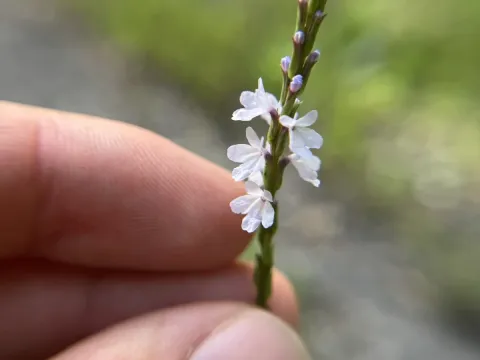
Verbena simplex
Verbena simplex
Verbena simplex, commonly known as the narrow-leaf vervain, belongs to the Verbenaceae family. Propagating this species from seed requires attention to its natural dormancy, often necessitating cold stratification to ensure a high germination rate.
What the section contains
Verbena simplex
For optimal results, seeds should be sown indoors in late winter or early spring. Using a sterile, well-draining seed-starting mix prevents damping-off diseases, which are common in seedlings of the Verbena genus.
Seeds require light for germination and should be sown on the surface of the growing medium without covering. Maintaining a consistent temperature of around 20 degrees Celsius is essential during the initial germination phase.
Seedlings should be pricked out into individual pots once they develop their first set of true leaves. This promotes robust root system development, which is crucial for successful establishment after transplanting.
Hardening off the plants is a critical step before moving them to the field. Gradual acclimatization to outdoor temperatures over two weeks helps the plants tolerate the stress of a new environment.
Verbena simplex is a sun-loving plant that demands full exposure to direct sunlight for at least six to eight hours per day. Insufficient light levels often result in leggy, weak growth and reduced floral production.
The plant thrives in well-draining, moderately fertile soils. While it can adapt to various soil types, including sandy or rocky conditions, it will not tolerate waterlogged environments that lead to root rot.
Watering practices should focus on maintaining consistent moisture during the establishment period. Once established, Verbena simplex exhibits a degree of drought tolerance, though supplemental watering during dry spells maintains vigor.
Soil pH should ideally be neutral to slightly acidic. If the soil is heavy or lacks drainage, incorporating organic matter or coarse sand can significantly improve the aeration and health of the root zone.
Regular maintenance involves removing spent flowers to encourage subsequent flushes of growth. This practice, known as deadheading, helps maintain the plant's aesthetic appeal throughout the growing season.
Powdery mildew is a prevalent issue, especially in humid climates or areas with poor air circulation. Symptoms include a white, dust-like growth on the foliage that can lead to leaf yellowing and senescence.
Root rot, caused by various fungal pathogens, is a significant threat in poorly drained soils. Management strategies include proper site selection, improving drainage, and avoiding over-irrigation.
Aphids are common sap-sucking pests that cluster on tender new shoots. Regular scouting is necessary, and infestations can be managed with horticultural soaps or systemic insecticides depending on the severity.
Spider mites may become problematic during periods of hot, dry weather. These tiny pests cause stippling on the leaves, leading to a dull or chlorotic appearance if left unaddressed.
Integrated pest management (IPM) practices are recommended to minimize chemical reliance. Encouraging beneficial insects and maintaining healthy soil conditions are effective ways to prevent and manage pest outbreaks.