
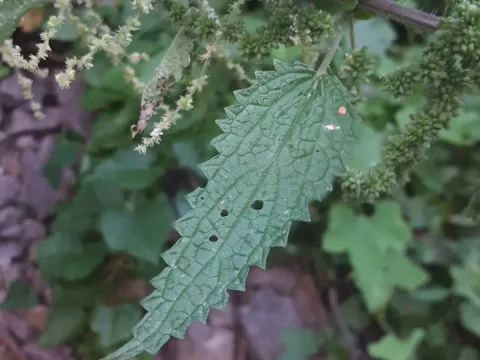
Urtica gracilenta
Urtica gracilenta
Urtica gracilenta is a perennial herb that can be propagated through seeds or rhizome division. The optimal time for planting seeds in open fields is early spring, once the soil temperature consistently reaches 8-10 degrees Celsius.
What the section contains
Urtica gracilenta
For commercial cultivation, seeds are sown in rows at a depth of 1-2 centimeters. Adequate soil moisture is critical during the germination phase to ensure a uniform stand and high establishment rate, as small seeds are highly sensitive to drought.
During the first year of growth, the plant focuses primarily on developing a robust root system and basal rosette. Full vegetative growth and stem development typically occur in the second season, requiring patience and consistent care during the initial establishment period.
A spacing of 45-60 centimeters between rows is recommended to provide sufficient space for growth and to facilitate mechanical weeding and maintenance. Proper spacing prevents overcrowding and encourages healthier development of the foliage.
Fall sowing is an alternative in regions with milder winters, allowing for natural stratification of the seeds. When sowing in late autumn, it is standard practice to increase the seeding rate to account for potential winter losses.
This species thrives in fertile, well-drained loam soils rich in organic matter. It is sensitive to waterlogged conditions, which can lead to root rot; therefore, selecting an area with excellent drainage is essential for long-term productivity.
The plant prefers partial shade or dappled sunlight, reflecting its adaptation to woodland ecosystems. Excessive direct sun can cause the leaves to become coarse prematurely, reducing their quality for medicinal or culinary purposes.
An ideal soil pH for growth ranges between 6.0 and 7.5. Incorporating well-rotted compost or organic fertilizers during soil preparation significantly boosts vegetative biomass and ensures the plant receives necessary nutrients.
Consistent soil moisture is vital for optimal growth, especially during dry summer months. While the plant shows some tolerance to temporary drought, consistent moisture ensures maximum leaf tenderness and nutrient concentration.
Urtica gracilenta is characterized by good cold hardiness and is capable of surviving significant temperature fluctuations. This makes it a reliable crop for temperate regions where winter conditions might be challenging for more sensitive species.
The yield of Urtica gracilenta is primarily dependent on the number of harvests performed throughout the growing season. Under good agricultural practices, producers can expect up to three harvests per year from well-established stands.
Nitrogen-based fertilization applied immediately after each harvest promotes rapid regrowth of the vegetation. This management strategy is essential to maintain high biomass production levels throughout the growing cycle.
Productivity tends to decline as plants age, so it is recommended to rejuvenate the plantation every 4-5 years. Replacing older stands or thinning and dividing existing rhizomes keeps the plants vigorous and highly productive.
The timing of the harvest is crucial, as the concentration of active compounds peaks during the budding phase. Harvesting at this stage ensures the highest quality product, which is often a key requirement for pharmaceutical and supplement manufacturers.
High regenerative capacity makes this plant an economically viable choice for smaller operations. Its ability to recover quickly after mowing allows for consistent supply chains in various markets, from fresh market to dried herb processing.
Pests such as aphids and spider mites can cause significant damage to young leaves. Utilizing biological control methods or integrated pest management strategies helps maintain the purity and quality of the harvest without heavy chemical use.
Powdery mildew is a common fungal threat when humidity levels are high and air circulation within the canopy is poor. Ensuring proper spacing and regular weeding helps improve airflow and reduces the risk of fungal infections.
Rust diseases can occur on the foliage if the planting site is excessively humid or poorly ventilated. Any diseased foliage should be removed immediately to prevent the spread of the infection to the rest of the crop.
Adhering to crop rotation principles is essential to prevent the buildup of soil-borne pathogens. Avoiding sites that have previously hosted related species reduces the likelihood of disease outbreaks in the new plantation.
Weeds are particularly aggressive competitors in the early stages of establishment. Regular mechanical weeding between rows is a mandatory task to ensure that the nettle plants have access to sufficient water and soil nutrients.
Harvesting should occur during dry, clear weather after any morning dew has evaporated. This practice is crucial for preventing spoilage, such as mold growth or heat-induced degradation, which can occur when wet foliage is harvested.
The plants should be cut at a height of 10-15 centimeters above the soil line to allow for efficient regrowth. This strategic cutting height ensures that dormant buds remain to initiate the next cycle of shoot production.
Immediate post-harvest processing is required to preserve quality. The material should be spread out to dry in shaded, well-ventilated areas or in purpose-built dehydrators set to a temperature not exceeding 45 degrees Celsius.
For large-scale operations, mechanical harvesters set at the appropriate height can significantly expedite the process. It is important to ensure that the equipment is clean and well-calibrated to avoid contamination with soil or unwanted debris.
Properly dried material should maintain a vibrant green color and a characteristic aroma. Storage in cool, dark, and dry conditions in airtight containers helps maintain the potency of the herb for an extended shelf life.