
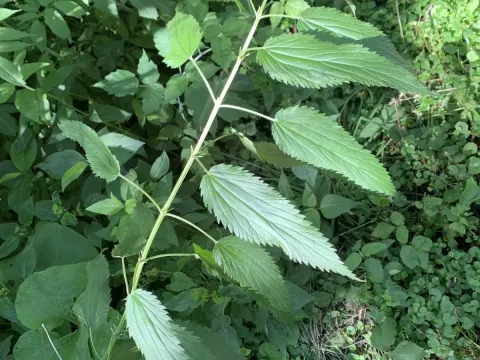
Urtica procera
Urtica procera
Urtica procera is a perennial herbaceous plant, typically established in the field through direct seed sowing or by rootstock transplantation.
What the section contains
Urtica procera
The optimal time for spring sowing is when the soil temperature consistently reaches 10 degrees Celsius, generally occurring in mid-spring.
For vegetative propagation, segmenting established rootstocks and replanting them in early autumn allows for successful root establishment before winter dormancy.
Rows should be spaced approximately 50 to 60 centimeters apart to allow sufficient space for the growth of vegetative shoots and ease of mechanized maintenance.
Given the small size of the seeds, they should be sown shallowly and kept moist to ensure optimal germination and early growth of the plant population.
This crop thrives in fertile, moisture-retentive, and well-drained loamy soils with a pH level ranging from neutral to slightly acidic.
As a nitrogen-loving plant, Urtica procera requires regular applications of organic matter, such as compost or manure, to maintain vigorous biomass production.
While the plant shows significant adaptability to different light conditions, full growth potential is achieved in areas receiving ample sunlight.
Proper irrigation management is critical, particularly during dry spells, as drought conditions can significantly stunt growth and reduce secondary metabolites.
The crop is highly resilient to low temperatures and can survive harsh winters, allowing for multi-year usage of the established plantation site.
Under optimal management practices, Urtica procera can produce significant green biomass yields, often reaching 20 to 30 tons per hectare annually.
Intensive production cycles allow for multiple harvests, with up to three or four cuttings possible per growing season if moisture is adequately provided.
Yield stability generally remains high for several years, though division of the rootstock is recommended every 5 to 7 years to prevent overcrowding.
Post-harvest fertilizer application is a key strategy for stimulating regrowth and ensuring the productivity of the subsequent cuttings within the same season.
The final yield of dried material represents roughly 20 to 25 percent of the fresh weight, depending on the harvest stage and drying efficiency.
Common agricultural pests affecting the crop include various coleopterans and aphids that feed on the leaf tissue, potentially reducing overall plant health.
Fungal pathogens like powdery mildew may appear in overcrowded plantings or areas with poor air circulation, necessitating thinning and proper canopy management.
Managing the plantation density and ensuring good field hygiene are primary non-chemical measures for preventing the spread of diseases.
Root rot can become a significant issue in waterlogged soils, making proper drainage design a fundamental aspect of site selection for this culture.
Biological control agents and sustainable agricultural practices are preferred to maintain the quality of the raw material for herbal and technical markets.
For high-quality medicinal material, harvesting is best performed during the flowering phase when the concentration of bioactive compounds is at its peak.
When the crop is intended for fiber production, harvesting should take place at the budding stage before the stems become overly lignified and rigid.
Mechanical harvesting equipment or manual sickle cutting is typically performed at a height of 10-15 centimeters above the ground to promote rapid regrowth.
Drying must be conducted in well-ventilated, shaded environments to preserve the natural green pigment and prevent the oxidation of valuable nutrients.
Proper storage involves keeping the processed material in dry conditions to prevent mold growth and loss of quality during long-term storage.