
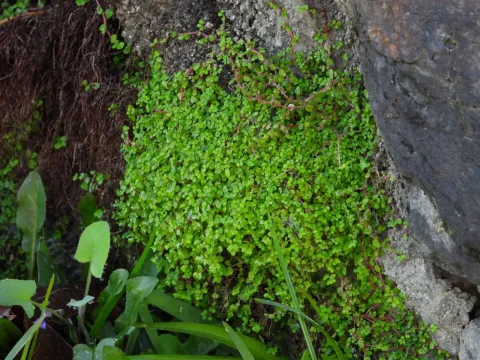
Soleirolia
Soleirolia
Soleirolia (Soleirolia soleirolii) is a creeping herbaceous plant belonging to the Urticaceae family. Native to the northern Mediterranean, particularly the islands of Corsica and Sardinia, it thrives in shaded, moist environments where it forms dense carpets.
What the section contains
Soleirolia
The plant is characterized by its mat-forming growth habit, consisting of extremely thin stems and tiny, succulent-like leaves. Its unique architecture makes it a preferred species for creating lush, green ground covers in controlled agricultural or decorative settings.
Successful cultivation requires a climate with high humidity and stable temperatures, ideally between +18 °C and +22 °C. The species is highly sensitive to intense direct sunlight, which causes rapid desiccation and leaf burn, significantly reducing its commercial value.
The growing medium must be highly porous, moisture-retentive, and well-draining. A standard peat-based substrate, enriched with perlite or vermiculite, provides the optimal balance for root respiration and nutrient availability, preventing hypoxia.
Agrotechnical management centers on irrigation. The substrate should remain consistently moist, as the shallow root system is highly vulnerable to drought stress. Water quality is also critical, with a preference for soft, room-temperature water to avoid mineral buildup.
Root rot is the most common pathology, usually triggered by overwatering or poor substrate aeration. The dense nature of the mat traps humidity, creating a microclimate that is highly conducive to fungal infections like Pythium and Rhizoctonia.
Common pests affecting Soleirolia include spider mites and mealybugs. These insects thrive in low-humidity environments, often invading the plant during periods of stress, leading to stunted growth and leaf drop.
Effective pest management involves maintaining high air humidity and providing adequate airflow between plants. Early detection is vital, as the density of the foliage makes the application of contact pesticides particularly challenging.
Fungal outbreaks can be managed through cultural controls, specifically by adjusting the watering regime and removing affected sections of the mat. Fungicides should only be applied when cultural measures prove insufficient.
Regular maintenance, including the selective removal of dead or yellowed stems, ensures the longevity of the plant population. Maintaining a sterile growing environment is the primary preventative measure against systemic disease transmission.